The Ta'zeez Award for Volunteer Work honors 12 winners in its third edition
In a national event that embodied the highest ideals of giving and social solidarity, the "Ta'zeez" Award for Volunteer Work concluded its third cycle, honoring the efforts of 12 winners from among individuals and volunteer teams, amidst fierce competition that included 163 initiatives. This event reflects the significant momentum witnessed by the non-profit sector in the Kingdom of Saudi Arabia, aligning with the ambitious goals of Vision 2030, which aims to reach one million volunteers annually and transform volunteer work from individual efforts into a sustainable, institutionalized endeavor with a tangible developmental impact.
High attendance and celebration of the pioneers
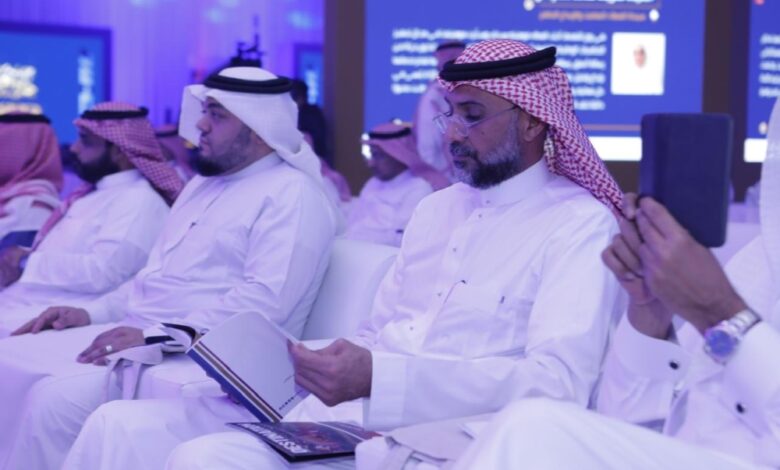
The closing ceremony was attended by prominent figures in charitable and social work, led by the Chairman of the Board of Directors of Charitable Societies in the Makkah Region and Chairman of the Board of Directors of the "Khairkum" Association, Engineer Abdulaziz bin Abdullah Hanafi. The ceremony was distinguished by honoring a select group of pioneers, including women with extensive experience in charitable work, thus reinforcing the principle of loyalty and appreciation for those who have dedicated their time to serving the community. Professor Khairiya Mohammed Noor Rahimi, President of the Al-Faisaliah Association and Head of the Organizing Committee, emphasized that the award is not merely a fleeting recognition, but rather a fundamental pillar in supporting the national transformation in the third sector.
The context of national transformation and the importance of volunteer work
The success of the “Ta’zeez” Award cannot be viewed in isolation from the broader context of the Kingdom’s development. Since the launch of Vision 2030, the leadership has given unprecedented attention to regulating volunteer work, establishing unified national platforms and adopting regulations that guarantee volunteers’ rights and direct their efforts toward the actual needs of society. This award complements the government’s role by motivating civil society and the private sector to participate effectively, thereby strengthening the concept of “responsible citizenship” and contributing to increasing the non-profit sector’s contribution to the GDP.
Figures reflect the scale of the impact
Official statistics for the third cycle revealed widespread community engagement, with the awareness campaign exceeding 1.2 million views across social media platforms. Out of 163 initiatives submitted for the award, 35 reached the qualifying stage, and 21 of these stood out. Ultimately, 12 winners were selected, representing the pinnacle of volunteer work in the fields of social empowerment and sustainable development. This intense competition reflects the growing awareness among Saudi youth of the importance of organized work and high-quality outcomes.
Expected impact: From local to sustainable
The significance of the "Enhancement" Award stems from the anticipated impact of the winning initiatives. Locally, these projects contribute to bridging service and social gaps and strengthening community cohesion. Nationally, the support and sponsorship of these initiatives by companies and institutions exemplifies a model of Corporate Social Responsibility (CSR), fostering an integrated environment across the three sectors (governmental, private, and non-profit). The winning initiatives are expected to form the nucleus of sustainable, scalable, and replicable projects in other regions, thus maximizing the social return on investment in volunteering.
The ceremony concluded with the organizers of the award affirming that this success represents a strong incentive to continue developing the award's standards in its future cycles, to ensure keeping pace with the rapidly changing needs of society, and to continue discovering and highlighting shining examples that contribute to building a vibrant and cohesive society.