School in Tabuk delayed next week due to cold weather: New schedule
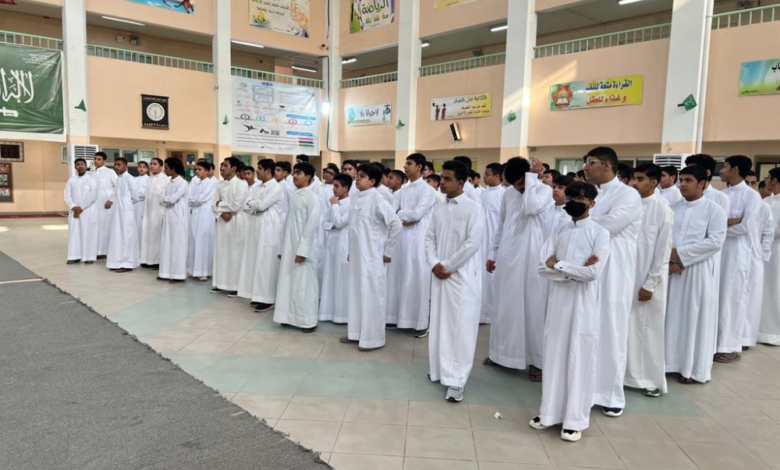
The General Directorate of Education in Tabuk announced a decision to delay the start of the school day in all schools across the region and its affiliated governorates for a full week, beginning next Sunday. This decision comes in response to the severe cold waves affecting the region and out of concern for the health of students and school staff from the potential health effects of the low temperatures in the early morning hours.
Details of the decision and new dates
The Tabuk Education Department explained that this measure was implemented based on direct instructions from His Royal Highness Prince Fahd bin Sultan bin Abdulaziz, Governor of the Tabuk Region, who places great importance on the safety and health of students. According to this decision, the start of the first period will be delayed until 9:00 AM, with exams beginning at 10:00 AM. This schedule will be in effect from Sunday, July 15, 1447 AH (corresponding to July 15, 2026) until Thursday, July 19, 1447 AH (corresponding to July 19, 2026), and will apply to all schools in Tabuk city and the rest of the region's governorates.
The nature of Tabuk's winter weather and its impact
This step is particularly important given the geographical and climatic nature of the Tabuk region, located in the northwestern part of Saudi Arabia. The region is known for its harsh winters compared to the rest of the Kingdom, as it is directly affected by cold air masses coming from the north. This often leads to temperatures dropping to very low levels, sometimes reaching or even below freezing, in addition to snowfall on the region's higher elevations, such as Jabal al-Lawz.
These climatic conditions make going out in the early morning hours a health challenge, especially for children and young people, making the decision to delay school hours a necessary step to ensure that students arrive at their schools in warmer and more stable weather.
Flexibility in the education system and student safety
This decision reflects the flexible policy adopted by the Ministry of Education in the Kingdom, which grants regional education departments the authority to assess the situation based on meteorological reports and field conditions. These proactive measures aim to achieve a safe and healthy learning environment, as delaying the start of the school day helps reduce the chances of contracting seasonal winter illnesses such as colds and influenza. It also contributes to raising academic achievement levels by ensuring that students arrive in good physical and mental condition, protected from the effects of the harsh cold.