Tabuk records the highest rainfall in Saudi Arabia with 118.5 mm

The Tabuk region topped the weather charts in Saudi Arabia, recording the highest rainfall amounts in the past 24 hours. The Al-Sarw station in Tabuk city recorded a record 118.5 mm. This rainfall was part of a weather system that affected four major regions in the Kingdom: Madinah, the Northern Borders, Al-Jawf, and Tabuk, according to official announcements.
The daily report issued by the Ministry of Environment, Water and Agriculture, which monitors readings from 47 hydrological and climatological monitoring stations, indicated varying intensities of rainfall. In the Tabuk region, in addition to the high rainfall in Al-Sarw, the Bir Bin Hirmas station recorded 13.6 mm, Shaqri 6.6 mm, and the Shaqri Health Center 5.6 mm, indicating widespread rainfall across large parts of the region.
Rainfall details for Medina and northern regions
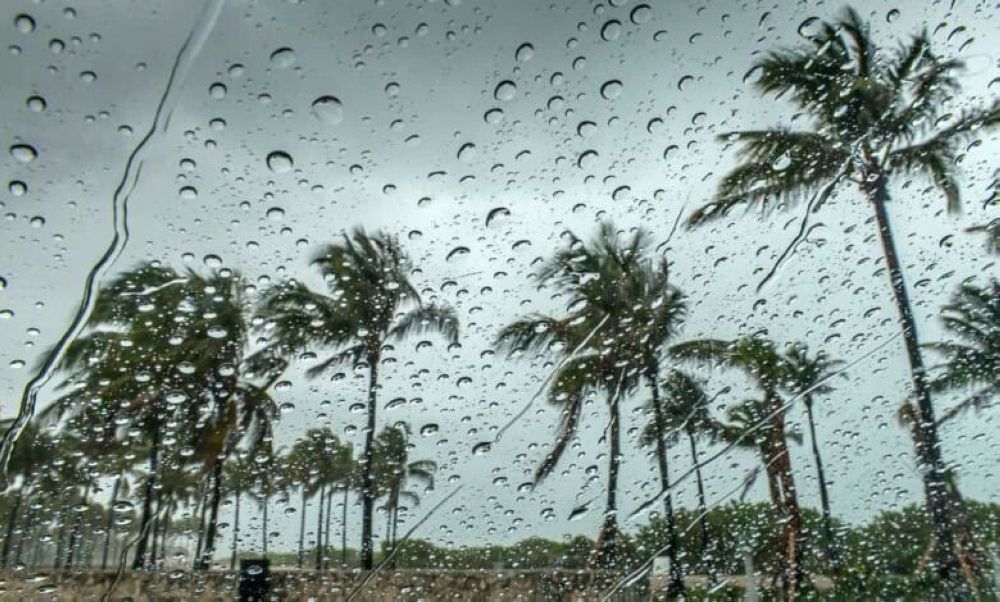
The rainfall was not limited to Tabuk; it also extended to the Madinah region, which experienced moderate to heavy precipitation. The Al-Naba'ah station in Yanbu' al-Bahr recorded 43.4 mm, followed by the Nabat station in Yanbu' al-Bahr with 28.8 mm. Stations also recorded 4.6 mm in Ashira, Khaybar, and 4.0 mm in Yanbu' port, promising a bountiful spring season for these coastal and inland provinces.
In the far north, the Northern Borders region recorded varying amounts of rainfall, reaching 2.5 mm at the Al-Jarani station in Tarif and 2.1 mm at Tarif Airport. The Al-Jawf region recorded 3.8 mm at Al-Qurayyat Airport and 1.8 mm in Al-Qurayyat city itself, reflecting the influence of the cold air masses typical for this time of year on the northern regions.
Environmental and water-related importance of rainfall
These rainfall amounts, particularly the large amount recorded in Al-Sarw in Tabuk, are of paramount strategic importance to the Kingdom's water and environmental security. Hydrologically, this abundant rainfall contributes to replenishing shallow and deep groundwater reservoirs, which are the primary water source in inland areas. Furthermore, the resulting runoff from wadis and streams irrigates traditional farms and raises well levels, thus supporting the agricultural sector for which the Tabuk and Al-Jawf regions are renowned.
Environmentally, these rains are an early harbinger of a promising spring season, aiding the growth of natural vegetation, thus mitigating desertification and providing natural grazing land for livestock. Due to their geographical location, the northern regions of the Kingdom are the primary gateway for cold, humid air fronts originating from the Mediterranean and Europe during winter, making them prone to higher rainfall rates compared to other parts of the country.
This data confirms the accuracy of the climate monitoring network operated by the Ministry of Environment, Water and Agriculture, which plays a vital role in providing the necessary information to public safety authorities, such as the Civil Defense, to issue early warnings and spare citizens and residents the risks of flash floods, especially in mountainous areas and valleys.