Sweden confronts march near aircraft carrier Charles de Gaulle in the Baltic
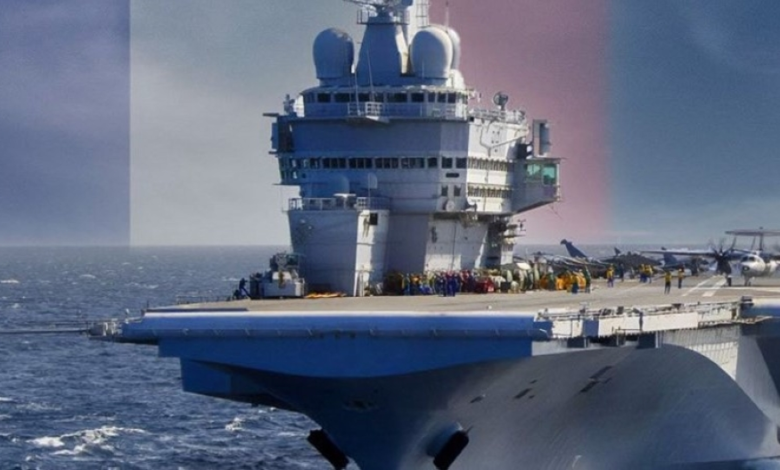
In a show of force and military readiness, the Swedish Armed Forces successfully intercepted an unidentified drone that attempted to approach the French aircraft carrier Charles de Gaulle while it was docked in Swedish territorial waters. The incident occurred on Wednesday in the Øresund Strait near Malmö and was confirmed by both the French and Swedish military commands, highlighting the escalating security tensions in the Baltic Sea region.
Details of the incident and joint cooperation
French military spokesman Guillaume Freinet explained that the drone was successfully jammed by a specialized Swedish defense system. He added that the interception took place approximately seven nautical miles (about 13 kilometers) from the aircraft carrier, emphasizing that the Swedish system "functioned perfectly" and that the incident did not affect any of the ongoing activities and operations aboard the Charles de Gaulle. This rapid and effective coordination demonstrates a high level of interoperability between French and Swedish forces, particularly given Sweden's recent accession to NATO.
The strategic context of Charles de Gaulle's visit
The visit of the aircraft carrier Charles de Gaulle, the pride of the French Navy and the largest naval vessel in Europe, was not merely a routine visit. It comes within a changing geopolitical context, as NATO countries seek to bolster their military presence in the Baltic Sea, which has become known as "NATO Lake" following the accession of Finland and Sweden. This move aims to send a clear message of deterrence against any potential threats and to reaffirm their commitment to the collective defense of the region's security. The Charles de Gaulle is a symbol of independent European military power, and its presence in this sensitive region reflects the strategic importance that France and its allies attach to the security of Northern Europe.
Importance and expected effects
This incident is particularly significant as it represents the first practical test of defense cooperation between Sweden and France, NATO allies, in the face of a real aerial threat. Sweden's success in neutralizing the threat underscores its advanced technological capabilities in electronic warfare and counter-drone operations, capabilities that have become vital in modern warfare. Regionally, the incident reinforces the concept of collective security in the Baltic Sea and demonstrates that any attempt to test the Alliance's defenses will be met with a coordinated and decisive response. Internationally, the incident is interpreted as part of the ongoing cat-and-mouse game between NATO and Russia, where drones are increasingly used for reconnaissance and intelligence gathering near critical military assets.