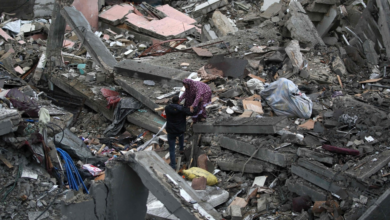
Indonesia floods: Death toll rises to 604, devastation in Sumatra
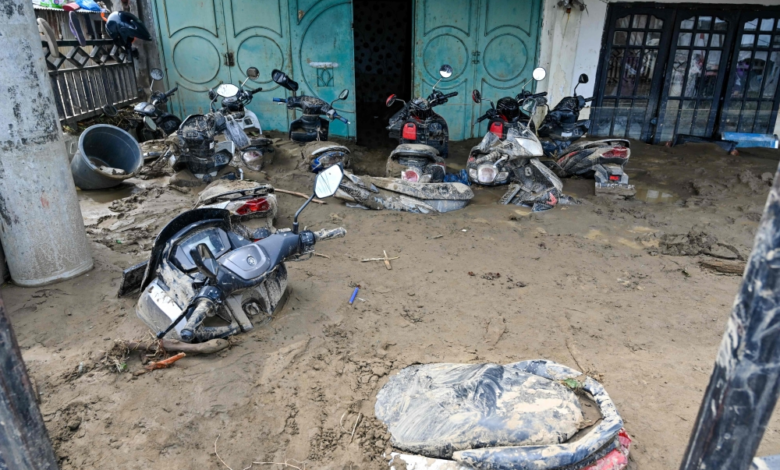
Indonesia has witnessed a tragic escalation in the toll of natural disasters hitting the country in recent hours, as the National Disaster Management Agency announced that the number of victims of the violent floods and landslides that swept through three provinces on the island of Sumatra has risen to 604 dead, while 464 other people are still missing, amid fears that the chances of finding survivors are diminishing as time goes on.
Widespread destruction and displacement of hundreds of thousands
Indonesian authorities have revealed the immense scale of the devastation caused by the disaster, stating that flash floods and mudslides have displaced approximately 570,000 people from their homes in the provinces of North Sumatra, West Sumatra, and Aceh. These displaced people have been forced to seek refuge in temporary shelters or higher, safer areas, facing dire humanitarian conditions and shortages of basic necessities.
Rescue teams face complex logistical challenges that hinder their access to disaster-stricken areas. Damage to main roads and bridges, along with disruptions to communication and electricity networks, has completely isolated many villages and towns from the outside world. Faced with this reality, authorities are relying primarily on airlifts to deliver food and medical aid to those trapped and affected.
Presidential warnings and climate change
Commenting on the disaster, Indonesian President Prabowo Subianto affirmed that government rescue and relief efforts were proceeding at full force to save lives and assist those affected. In his remarks, Subianto emphasized the crucial need for Indonesia to respond more effectively to climate change, urging local governments to assume a greater role and direct responsibility in environmental protection and to enhance their preparedness for the increasingly frequent extreme weather events.
The geographical and climatic context of Indonesia
Indonesia, a vast archipelago of over 17,000 islands, is one of the world's most disaster-prone countries. Due to its geography and tropical climate, the country experiences an annual rainy season that typically lasts from November to March, often accompanied by torrential downpours that cause rivers to flood and the soil to become waterlogged.
However, environmental experts believe that the severity of these disasters has worsened in recent years not only due to global climate change, but also as a result of human factors such as deforestation and unplanned urban expansion in areas of slopes and floodplains, which reduces the land's ability to absorb water and increases the likelihood of deadly landslides.
Expected impacts and the importance of response
These events are of paramount importance both locally and regionally, highlighting the urgent need to develop more disaster-resistant infrastructure in Southeast Asian countries. This disaster is expected to cause significant economic losses in the agriculture, housing, and infrastructure sectors of Sumatra, a vital economic hub.
This tragedy also highlights the issue of “climate justice” internationally, as developing countries, such as Indonesia, are paying a heavy price for climate change despite their historically limited contribution to carbon emissions, which calls for international cooperation to support adaptation efforts and reduce the risks of future disasters.