E. coli bacteria and colon cancer: Study reveals dangerous link
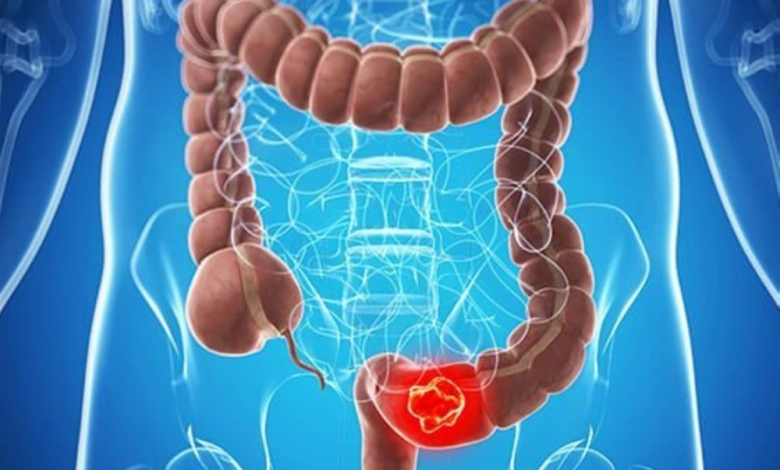
In an unprecedented scientific breakthrough that could change our understanding of the causes of malignant tumors, a team of scientists in the United States has succeeded in deciphering the complex mechanism by which the Escherichia coli (E. coli) bacterium induces cancerous mutations in the human body. This discovery not only sheds light on the causes of the disease but also opens new avenues for prevention and treatment.
The "lock and key" mechanism and DNA destruction
In their study, the researchers relied on highly precise techniques, including mass spectrometry and nuclear magnetic resonance, to understand the behavior of a toxic chemical compound called colibactin. This toxin is produced by certain strains of E. coli bacteria that naturally inhabit the intestines of humans and animals.
The results revealed astonishing details about how this toxin works; it was shown that it doesn't attack human DNA randomly, but rather precisely targets regions rich in the adenine and thymine (AT) bases. The positively charged colibactin nucleus and the negatively charged DNA strand interact according to a precise chemical attraction principle that scientists have described as a "lock and key match.".
This process leads to the formation of what is known as an "interstrand cross-link," which acts as a bridge that permanently joins the two DNA strands together, preventing the cell from reading or copying its genetic material correctly. This results in genetic mutations that are the same ones previously observed in the tumor tissues of colorectal cancer patients.
Scientific context: The microbiome and human health
To understand the significance of this discovery, we must consider the bigger picture of the gut microbiome. Trillions of bacteria live in the human gut, playing a vital role in digestion and immunity. While most strains of E. coli are harmless, the discovery of strains that produce toxins capable of altering the genetic makeup of human cells provides strong evidence of the direct impact of gut health on cancer risk.
This direct mechanical link transforms scientific theories from mere statistical hypotheses linking bacteria and cancer into proven biological facts that explain "how" the disease occurs at the molecular level.
The importance of the discovery and its global and local impact
This research is of paramount importance given global statistics, where colorectal cancer is the third most common cancer worldwide and the second leading cause of cancer-related deaths. In the Middle East and Saudi Arabia, a rise in the incidence of this type of cancer has been observed in recent years, further highlighting the need for such research.
This discovery is expected to pave the way for the development of new preventative strategies, such as:
- Developing medical tests to detect the presence of colibacin-producing bacterial strains in the intestines years before cancer develops.
- Developing treatments or dietary supplements (probiotics) that aim to neutralize this toxin or replace harmful bacteria with beneficial ones.
- Promoting awareness about dietary systems that maintain a balanced gut microbiome to reduce the activity of harmful bacteria.
Understanding the relationship between the gut microbiome and an increased risk of cancer represents a quantum leap in precision medicine, promising a future in which colon cancer can be prevented before the first genetic mutations occur.