Specialized estate courts in Riyadh: Decisions to resolve inheritance disputes
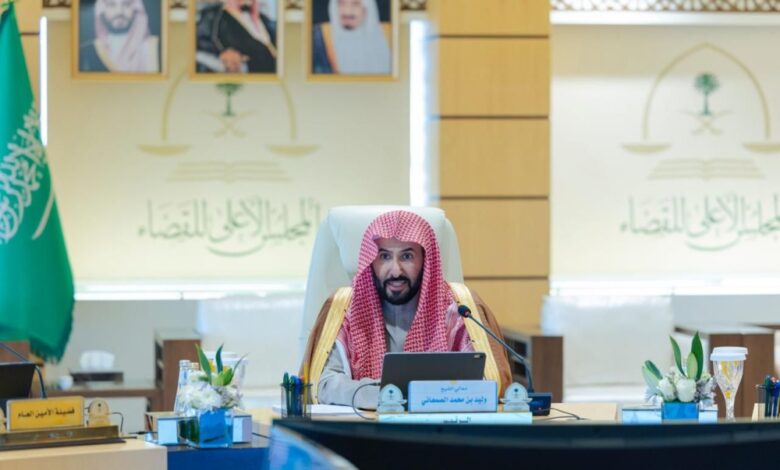
In a pivotal step aimed at developing the judicial system and enhancing the efficiency of judicial performance, the Supreme Judicial Council , chaired by His Excellency Sheikh Dr. Walid bin Mohammed Al-Samaani, approved a package of significant regulatory decisions that establish a new phase of specialized jurisdiction within Saudi courts. The Council officially approved the allocation of independent judicial circuits to handle arbitration cases, in addition to adopting precise rules for distributing inheritance cases and applications among specialized circuits in the Personal Status Court and the Court of Appeal in Riyadh.
Establishing the principle of specialized judiciary
These decisions come in response to the requirements of the current phase the Kingdom is witnessing under Vision 2030, which places great importance on developing the judicial system. The shift towards "specialized courts" is one of the most important strategic pillars being pursued by the Ministry of Justice and the Supreme Judicial Council. Specialization contributes to deepening the judicial expertise of judges and unifying judicial interpretations, which directly impacts the quality of judgments and the speed of dispute resolution, particularly in cases characterized by technical and procedural complexity.
Ending the deadlock in inheritance cases
The establishment of specialized inheritance courts in Riyadh is of paramount importance, given the previously lengthy and complex litigation processes that plagued inheritance cases, potentially hindering the interests of heirs and freezing assets. These new courts aim to eliminate this obstruction through clear and standardized procedural paths, ensuring the swift inventory, liquidation, and distribution of estates among beneficiaries according to Islamic law. This will strengthen the concept of prompt justice and enhance social security for families.
Economic and social dimensions
Beyond its legal implications, this decision carries significant economic dimensions. Inheritance cases often involve substantial real estate and financial assets that remain frozen throughout the dispute. Expediting the resolution of these cases will inject this liquidity and these assets back into the economic cycle, positively impacting the Kingdom's investment and business environment. Socially, the swift resolution of inheritance cases helps reduce family disputes that can arise from lengthy waiting periods and litigation, thus strengthening social cohesion.
Leadership support and performance monitoring
Dr. Al-Samaani opened the meeting by expressing his appreciation for the unwavering support the judicial system receives from the wise leadership – may God protect them – and emphasized to the members that the next phase requires a heightened focus on enhancing the efficiency of judicial work and improving its outcomes. The council also discussed several matters related to the direct oversight of the work of the courts and judges, making the necessary decisions to ensure the discipline of work and the continued development of all judicial facilities, guaranteeing that rights are delivered to their rightful owners with the highest standards of quality and speed.