A baby born every minute: Birth statistics in Saudi hospitals
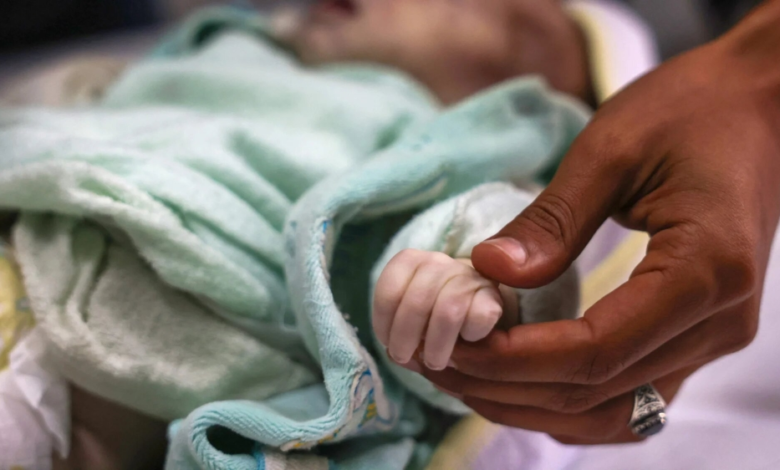
In a demographic indicator reflecting population growth and the efficiency of the healthcare system in Saudi Arabia, the latest official statistics reveal striking figures regarding birth rates, with the Kingdom's hospitals receiving a newborn almost every minute. Hospitals across all healthcare sectors recorded a total of 514,968 births in a single year, averaging over 1,480 births daily, highlighting the significant medical efforts undertaken in maternity and pediatric departments.
The development of healthcare and the accommodation of population growth
These impressive figures reflect the high level of preparedness of the Kingdom's healthcare infrastructure and its capacity to handle this large number of births while providing exceptional medical care for mothers and newborns. This comes within the context of the ongoing development of the healthcare sector, which has seen the expansion of specialized maternity and children's hospitals, equipped with the latest medical technologies and neonatal intensive care units, to ensure the well-being of future generations.
Riyadh and Mecca lead the way, with the Eastern Province in third place
In terms of geographical distribution, the Riyadh region topped the list of regions in the Kingdom, recording the highest number of births at 137,348, which corresponds to the high population density in the capital and its governorates. The Makkah region came in second with more than 110,000 births, including those recorded in the Ministry's branches in Makkah, Jeddah, Taif, and Al-Qunfudhah.
The Eastern Province ranked third nationally, with its hospitals receiving 74,586 newborns. Detailed figures showed that the Ministry's branch in Dammam alone recorded 45,588 births, while Al-Ahsa Governorate recorded 19,192 and Hafr Al-Batin 9,806, underscoring the region's pivotal role in the Kingdom's population distribution.
Types of births and medical indicators
The data revealed a significant disparity in the types of births, with vaginal births maintaining their dominance at nearly 60% (specifically 59.2%), totaling over 304,000 cases. In contrast, cesarean sections accounted for approximately 40.8% of all births, amounting to 210,167 cases. This medical procedure is employed to ensure the safety of mothers and babies when medically necessary.
Demographic disparity between regions
Statistics revealed an interesting disparity in the demographic composition of births; Al-Qurayyat Governorate stood out as the region with the highest percentage of Saudi births, constituting approximately 92% of all births there. In contrast, the Holy City of Mecca recorded the lowest percentage of Saudi births, at only 50%, reflecting the significant population diversity in Mecca due to its cosmopolitan nature.
Regarding the regions with the fewest recorded births, Al-Baha region came at the bottom of the list with a total of only 5,404 cases, while Madinah came in fourth with more than 38,000 cases, followed by Asir region with about 35,000 cases.
The significance of the numbers and their future impact
These statistics hold significant implications for planners and decision-makers, as birth rate analysis contributes to future planning for essential services such as education, housing, and public utilities. Furthermore, the fact that Saudi births constituted 73.1% of total births (376,603 births) confirms the continued natural growth of Saudi society, thus strengthening the young national workforce upon which the Kingdom relies to achieve the goals of its ambitious future vision.