Somalia's hunger crisis: 6.5 million face food insecurity
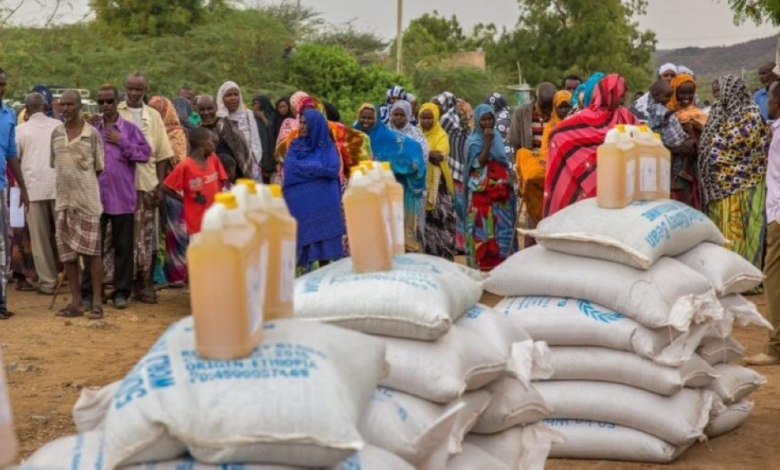
UN agencies have warned of a catastrophic worsening of the food security crisis in Somalia, where the number of people facing acute hunger has doubled in just one year to 6.5 million. This tragic escalation comes amid a devastating confluence of factors, most notably severe drought, ongoing conflict, and a decline in international humanitarian aid, pushing the country to the brink of widespread famine.
Background to the crisis: A history of instability and natural disasters
Somalia, located in the Horn of Africa, has suffered decades of political instability and internal conflict since the collapse of the central government in the early 1990s. This chaos has devastated infrastructure and government institutions, leaving the population highly vulnerable to climate and economic shocks. Historically, the country has experienced recurring droughts and famines, the most devastating being the 2011 famine that killed more than a quarter of a million people, half of them children. The current crisis is reminiscent of that tragedy, as the country once again faces consecutive seasons of drought, leading to livestock deaths and crop failures, which are the livelihoods of the majority of the population.
The direct causes of the current decline
According to the Integrated Food Security Phase Classification (IPC) report, an international mechanism for measuring hunger, the current situation resulted from the interaction of three main factors:
- Severe drought: Successive seasons of meager rainfall have led to the worst drought the region has seen in four decades, wiping out food and income sources for agricultural and pastoral communities.
- Conflict and insecurity: Large parts of central and southern Somalia continue to suffer from insecurity due to the activity of armed groups, hindering humanitarian access to the most vulnerable and increasing waves of internal displacement.
- International funding has declined: Humanitarian response plans for Somalia have faced a severe funding shortfall as international donors have shifted their priorities to other global crises. This reduction in food aid has diminished the ability of organizations to meet growing needs.
Expected impacts at the local and international levels
The repercussions of this crisis extend far beyond Somalia's borders. Locally, over one million people are currently facing an "emergency" phase (Phase 4), just one step away from "catastrophe" or famine (Phase 5). This situation is leading to soaring rates of acute malnutrition among children, increased mass displacement towards overcrowded cities and camps, and further strain on already scarce resources.
Regionally, the crisis increases the risk of refugee flows into neighboring countries such as Kenya and Ethiopia, which are themselves facing economic and climate pressures. Internationally, the specter of famine in Somalia is testing the international community's responsiveness and its ability to prevent a recurrence of past tragedies, highlighting the urgent need to link emergency humanitarian aid with peacebuilding and sustainable development efforts to address the root causes of the crisis.