Somalia condemns Nigeria attacks and calls for African unity against terrorism
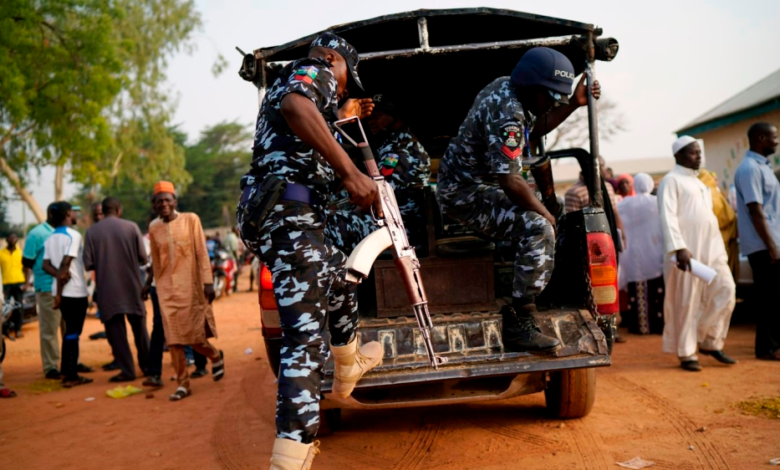
The Federal Republic of Somalia expressed its strong condemnation of the horrific terrorist attacks targeting innocent civilians in Zamfara State, located in northwestern Nigeria, which resulted in the killing of more than fifty people and the abduction of a number of women and children in acts of brutality that shook the region.
In an official statement issued by the Somali Ministry of Foreign Affairs, Mogadishu affirmed its full support and solidarity with the government and people of the Federal Republic of Nigeria in the face of this brutal aggression. The statement called for the immediate and unconditional release of all those abducted, emphasizing Somalia's unwavering support for the efforts of the Nigerian authorities to ensure that the perpetrators are brought to justice and held accountable for their crimes.
Context of the security crisis in northwestern Nigeria
Zamfara State, along with other northwestern Nigerian states such as Kaduna and Katsina, has been a hotbed of insecurity for years. Armed criminal gangs, locally known as “bandits,” operate in these areas, engaging in violence ranging from mass kidnappings for ransom and cattle rustling to deadly attacks on villages. While the motives of these groups appear primarily criminal, there are growing concerns about their increasing links to extremist terrorist groups such as Boko Haram and the Islamic State West Africa Province (ISWAP), further complicating the security landscape and threatening to expand the scope of terrorism in the region.
Regional and international importance and influence
Somalia’s condemnation of these attacks carries particular weight, coming as it does from a country that has long suffered and continues to struggle against the threat of the al-Shabaab terrorist group. This stance reflects a deep African solidarity and a shared understanding that the scourge of terrorism and organized crime is a transnational challenge requiring a collective response. The Somali statement emphasized the need for the African continent to remain united in the face of terrorism and to strengthen security and intelligence cooperation to protect civilians and eradicate the roots of extremism.
Domestically, these repeated attacks exacerbate the humanitarian crisis, displacing hundreds of thousands of people, destroying livelihoods based on agriculture and pastoralism, and undermining citizens’ trust in the state’s ability to protect them. Internationally, the ongoing violence in Nigeria, Africa’s most populous country and one of its largest economies, poses a threat to regional stability in the Sahel and West Africa and requires international attention and support to address the root causes of the conflict, including poverty, unemployment, and climate change.