Somalia cancels agreements with the UAE: Reasons and political repercussions
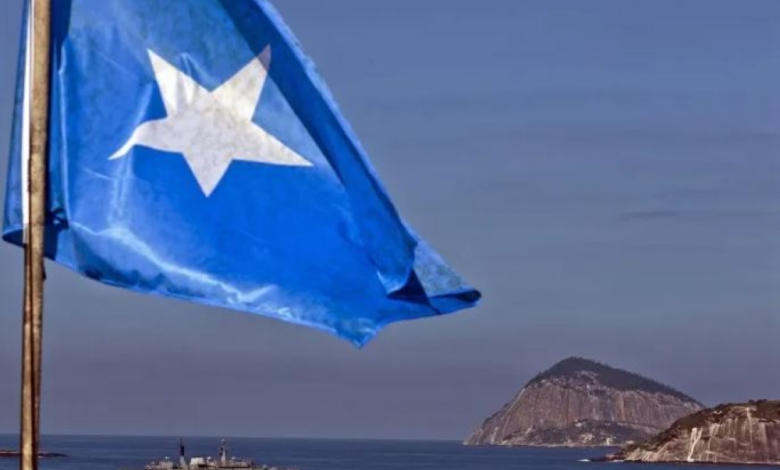
In a significant development in diplomatic relations in the Horn of Africa, the Somali Federal Government announced on Monday its decision to cancel all agreements signed with the United Arab Emirates. This decisive move was justified by the UAE's "hostile actions that undermine national sovereignty," indicating a sharp escalation of tensions between Mogadishu and Abu Dhabi.
According to an official statement issued by the Somali Cabinet and received by international news agencies, the decision came "after a careful assessment of recent developments and within the framework of the state's exercise of its constitutional authority to preserve its independence." The cancellation explicitly included all memoranda of understanding and agreements, including bilateral security and defense cooperation agreements that were in force between the two countries.
Background to diplomatic tension
This decision is not a spur-of-the-moment decision, but rather the culmination of a series of political tensions that have characterized relations between the two countries in recent years. The roots of the dispute lie primarily in direct dealings between the UAE and the government of the breakaway region of Somaliland, specifically regarding the agreement to develop the port of Berbera and establish a military base—steps that the central government in Mogadishu considered an infringement on its sovereignty and a violation of Somali territorial integrity.
Historically, 2018 witnessed a similar tension that led to the termination of the UAE's military training program in Somalia. Relations gradually improved later before relapsing again with these recent decisions, reflecting the sensitivity of sovereign issues for the current Somali government.
The Somali president and territorial integrity
In a related development, Somali President Hassan Sheikh Mohamud affirmed that the federal government is waging a fierce diplomatic and legal battle against what he described as foreign interference. In his recent speeches, the president emphasized that the territorial integrity of Somalia is a non-negotiable "red line," stressing his country's rejection of any hostile acts aimed at dividing the country or recognizing secessionist regions as independent states.
In a televised address to the Somali people, the president explained that his country is working closely with its international allies to prevent any violation of its sovereignty, implicitly referring to regional and international moves that might support the secession of "Somaliland." He simultaneously affirmed the central government's openness to internal dialogue and its willingness to listen to the concerns of the northern regions, but only within the framework of a unified Somali state.
Expected regional repercussions
This decision carries significant geopolitical implications for the Horn of Africa, a region witnessing intense international and regional competition due to its strategic location on the Red Sea and the Bab el-Mandeb Strait. The cancellation of security agreements is expected to impact counterterrorism efforts, particularly against al-Shabaab, potentially pushing Somalia to strengthen its alliances with other regional powers to fill the security vacuum.
This decision also sends a strong message to the international community that Mogadishu will not tolerate any violations of its sovereignty, even if they come from sister countries, thus placing the future of diplomatic relations in the region before a new stage of repositioning and defining alliances.