Snowstorm in America: Thousands of flights canceled
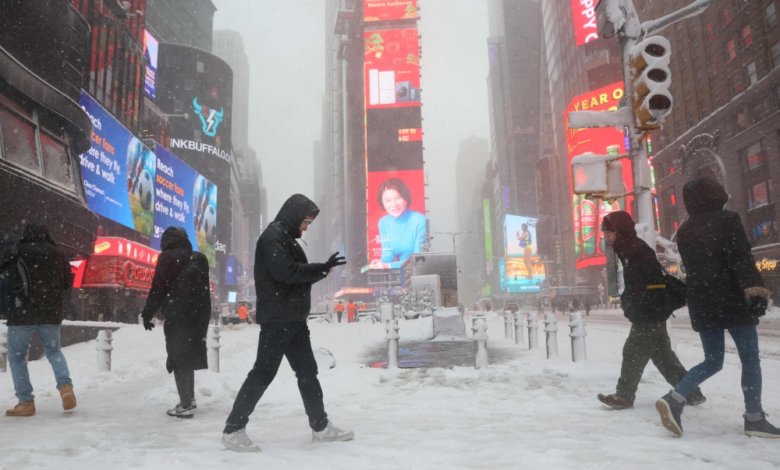
A powerful snowstorm, accompanied by strong winds and heavy snow, caused a near-total paralysis of air traffic across large areas of the northeastern United States, resulting in the cancellation of thousands of flights and the delay of hundreds more, leaving countless travelers stranded in one of the worst air travel disruptions of the year.
Widespread cancellations at major airports
According to flight tracking data, more than 5,500 flights to and from the United States had been canceled by Monday morning, with that number expected to rise as severe weather conditions persisted. The majority of cancellations were concentrated at major airports serving large population centers, with New York's John F. Kennedy International Airport and LaGuardia Airport recording the highest number of cancellations, followed by airports in Boston, Newark, New Jersey, Philadelphia, and Washington, D.C. The disruptions weren't limited to Monday; more than 4,000 flights were preemptively canceled on Sunday, and another 1,600 scheduled for Tuesday were also canceled, indicating that the storm's effects would continue for days.
Climate context: Noreaster storms and their historical impact
These types of powerful winter storms in the northeastern United States are known as "nor'easters," and they form when cold air from Canada meets warm, moist air over the Atlantic Ocean. This collision creates a powerful low-pressure system that produces heavy snowfall and gale-force winds. Historically, these storms have shut down entire cities, left millions without power, and crippled transportation infrastructure. The East Coast's air corridors are among the busiest in the world, making any disruption to them amplified.
cascading local and international effects
The storm's impact extends far beyond domestic travelers, creating a ripple effect across the global aviation network. Affected airports like John F. Kennedy International Airport are major international gateways connecting the United States to Europe, Asia, and the Middle East. Consequently, the cancellation of flights from New York to London or Dubai not only impacts passengers but also disrupts flight schedules, causing delays and cancellations at other airports worldwide. Domestically, the National Weather Service warned that travel conditions were "extremely difficult and near impossible" in the hardest-hit areas, while the Federal Aviation Administration urged travelers to continuously check their flight status with their airlines before heading to airports.