AIDS in Saudi Arabia: Low rates and global prevention efforts

A group of health sector specialists confirmed that the Kingdom of Saudi Arabia occupies a distinguished position globally as one of the countries with the lowest recorded rates of HIV (AIDS) prevalence, thanks to an integrated health system that relies on accurate monitoring, early detection, and the provision of the latest treatment protocols free of charge.
This positive rating is the culmination of decades of efforts within the National AIDS Control Program, which aims to protect society while ensuring the rights of people living with the virus, in line with the Sustainable Development Goals and the Kingdom’s vision for the health sector.
The reality of HIV/AIDS in Saudi Arabia: figures and facts
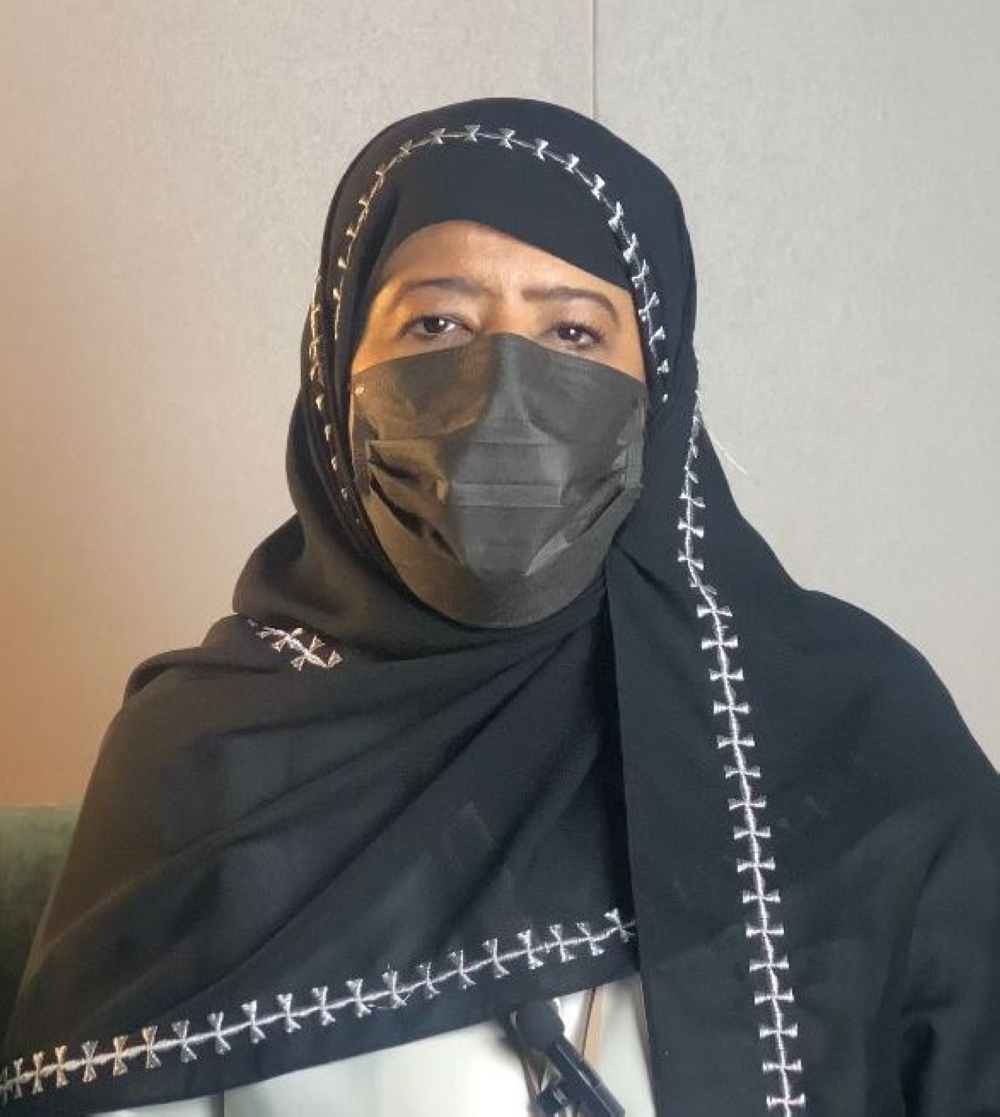
In an interview with Al-Youm newspaper on the occasion of World AIDS Day, Professor Nabila Abdullah Al Abdullah, Professor of Public Health and Infectious and Epidemic Disease Control, explained that the Kingdom is classified among countries with a low prevalence of HIV/AIDS. Estimates adopted by the World Health Organization indicate that the prevalence rate among adults (15–49 years) is less than 0.1%.
Dr. Nabila explained that the number of people living with HIV in the Kingdom is estimated at around 12,000, with approximately 1,000 new infections recorded annually. She attributed the stability of these rates and the decline in infections to the effectiveness of mandatory screening programs (such as premarital screening and blood donation screening), in addition to the rapid initiation of treatment upon diagnosis, reflecting the success of epidemiological surveillance strategies.
Correcting misconceptions: How does the virus spread?
For her part, Dr. Sarah Al-Warthan, a consultant in internal medicine and infectious diseases at King Fahd University Hospital in Al-Khobar, stressed the need to combat rumors and misconceptions that fuel social stigma. She emphasized that HIV is not transmitted through:
- A handshake or a hug.
- Sharing food or drinks.
- Using the same toilets or swimming pools.
- Airborne droplets (sneezing or coughing).
Al-Warthan explained that the main modes of transmission are unprotected sexual relations, sharing contaminated needles (especially among drug users), or transmission from mother to fetus, noting that the possibility of transmission from mother to child is almost non-existent now thanks to the preventive treatment protocols applied in the Kingdom.
Rights and Legislation: AIDS Prevention System
In the context of promoting human rights, experts highlighted the paramount importance of the HIV/AIDS prevention system and its implementing regulations issued in 2018. This system represents a qualitative leap in safeguarding the rights of those living with HIV, as it guarantees them:
- The right to education and work without discrimination.
- The right to full and completely confidential healthcare.
- Dismissal from work due to injury is prohibited.
Dr. Al-Warthan pointed out that modern treatments have transformed AIDS from a fatal disease into a chronic disease that can be lived with peacefully, as one pill a day is sufficient to suppress the viral load, making the person non-transmittable, which is scientifically known as the principle of “undetectable = non-transmittable” (U=U).
Strategies for reaching “zero” infections
For his part, Dr. Abdullah Al-Arfaj, a consultant in family medicine and obesity treatment, explained that the lower epidemiological situation in the Kingdom compared to global rates is due to the effectiveness of awareness programs and active surveillance. He emphasized that 96% of recorded infections among Saudis are transmitted through unprotected sexual contact, which necessitates intensifying awareness campaigns promoting safe sexual practices.

Al-Arfaj added that providing free treatment to all those infected (citizens and residents) aims not only to treat the individual but also to protect society as a whole by reducing the viral load of those infected to zero levels. He concluded by emphasizing the importance of psychological and social support and combating the stigma that may prevent some from getting tested, noting that the Kingdom is making steady progress towards achieving the global goals of eliminating AIDS as a public health threat by 2030.