Food and drug safety tips for preventing bacteria at home
Food safety is a cornerstone of public health and a key factor in preventing foodborne illnesses, a global health challenge. Bacteria and microbial hazards can be transmitted to humans through food in multiple and complex ways, from initial production stages through handling and transportation to everyday practices in home kitchens. Contamination often results from improper hygiene practices during cooking or storage, necessitating increased public awareness.
The role of the Food and Drug Authority in promoting safety
As part of its ongoing efforts to raise health awareness, the Saudi Food and Drug Authority (SFDA) is providing a set of vital guidelines to ensure safe food preparation. These tips aim to break the chain of bacterial transmission that can cause food poisoning cases ranging from mild to severe. This focus stems from the fact that home kitchens can become breeding grounds for bacteria if proper hygiene standards are not followed.
Key steps for preparing food safely
To ensure your table is free from contaminants, the authority recommends following a strict protocol when handling food, which includes the following points:
- Personal hygiene first: Hands should be washed thoroughly with soap and water for at least 20 seconds, and utensils and surfaces should be washed immediately after handling raw food to prevent the transmission of microbes.
- Choosing reliable sources: Safety begins from the moment of purchase; therefore, food products should be purchased from sources that apply quality standards, and they must be kept and stored at appropriate temperatures for each type.
- Proper cooking: Cooking at appropriate temperatures is the most effective way to eliminate harmful bacteria present in meat and poultry.
- Separation to prevent cross-contamination: Raw foods must be completely separated from cooked or ready-to-eat foods during preparation and storage, to avoid transferring raw meat juices to other foods.
Kitchen utensils: a line of defense or a source of danger?
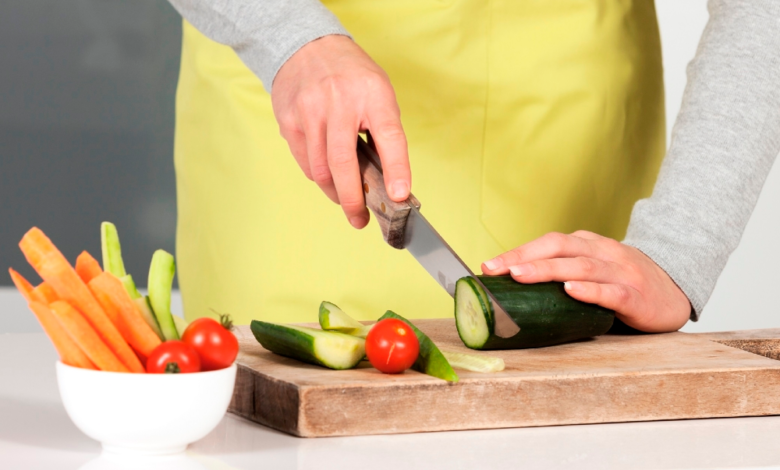
The authority emphasized the importance of handling cleaning and cutting tools with care. It advised using a separate sponge for washing dishes and another for cleaning surfaces , and not mixing them, as sponges are an ideal environment for bacterial growth. It also stressed the need for separate cutting boards according to the type of food (one for meat, another for vegetables), recommending the use of low-porosity surfaces such as glass , which are easier to clean and do not allow bacteria to accumulate in crevices as often happens with old wooden or plastic boards.
Adherence to these standards not only protects the individual and the family, but also contributes to reducing the burden on the health system by reducing cases of food poisoning and common intestinal diseases.