Winter storm hits America: Warnings issued for 40 states and a state of emergency declared
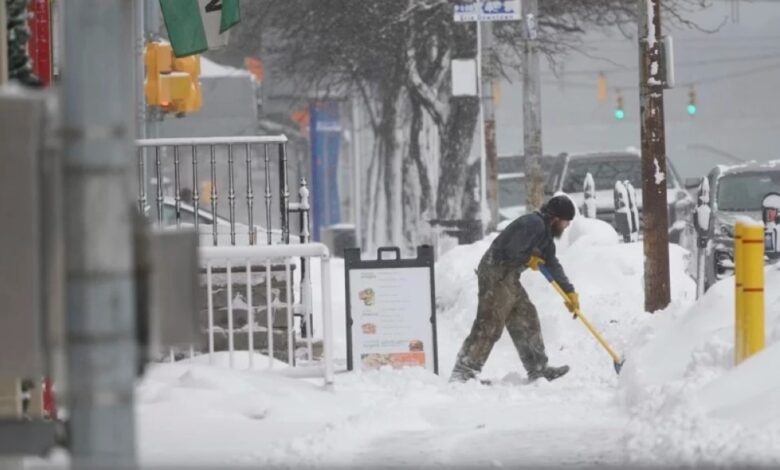
The US National Weather Service has issued severe warnings for a powerful winter storm and cold snap expected to hit nearly 40 states, putting approximately 160 million people – roughly half the country's population – under harsh weather conditions. These forecasts point to a potentially disruptive weekend that could paralyze much of the country.
Details of the winter storm and its expected effects
According to meteorologists, this weather system is not only bringing low temperatures but also a dangerous mix of winter precipitation. Forecasts include heavy snowfall, freezing rain, and hail, posing a real threat to infrastructure and public safety. Weather warnings cover a wide geographical area, from Arizona and Montana in the west to East Coast states like North Carolina, South Carolina, and Maine.
The greatest impact is expected on major, densely populated cities, particularly in the Northeast Corridor, which includes Washington, D.C., Philadelphia, New York City, and Boston. These areas are vital to the U.S. economy, and any disruption there directly affects travel and commerce.
Declaration of a state of emergency and official preparations
In a proactive move to mitigate potential impacts, New York Governor Kathy Hawkell declared a state of emergency. This measure allows authorities to mobilize resources, deploy rescue teams, and prepare heavy equipment for snow removal and road clearing. Millions of Americans, from New Mexico in the south to the eastern states, are bracing for an ice storm that could damage trees and down power lines, potentially leaving homes and businesses without electricity for several days.
Climate context and infrastructure challenges
This storm occurs within a typical North American climate pattern, where polar vortexes descending from Canada often cause widespread freezing temperatures. Historically, such storms have resulted in significant economic losses due to the cancellation of thousands of flights, disruptions to supply chains, and traffic accidents caused by vehicles skidding on icy roads.
The US power grid faces a significant challenge during these events, as heating demand surges while networks are damaged by ice and wind, bringing back memories of past crises in which several states experienced blackouts amid sub-zero temperatures. Authorities are urging citizens to exercise caution, prepare emergency kits, and avoid unnecessary travel until the storm has passed.