Weather in Saudi Arabia: Tarif records zero degrees Celsius and heavy rain
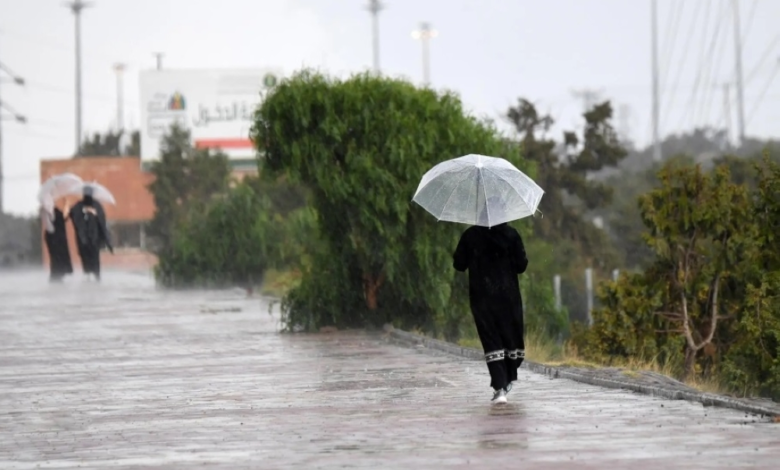
Northern regions of Saudi Arabia experienced a sharp drop in temperatures with the arrival of a new cold wave. The city of Tarif recorded the lowest minimum temperature of the day, Sunday, January 25th, reaching near freezing. This drop coincides with widespread weather fluctuations affecting most parts of the Kingdom.
Temperature details in the northern regions
According to the data released, Tarif wasn't the only area experiencing extremely cold weather. Al-Qurayyat recorded only 1 degree Celsius, while temperatures in both Sakaka and Tabuk reached 3 degrees Celsius, and Arar recorded 4 degrees. The lowest temperatures in Hail and Rafha remained at 6 degrees Celsius. This drop reflects the geographical nature of the northern regions of the Kingdom, which are typically affected by cold air masses coming from the north, making them the most vulnerable to frost during the winter season.
Rain and flood forecast
The National Center of Meteorology, in its weather forecast, indicated continued chances of moderate to heavy thunderstorms. The center warned that these storms could lead to flash floods in valleys and ravines, and may be accompanied by hail. The areas affected by this weather system include parts of:
- Al-Qassim region
- Northern borders
- Eastern Province
- Northern parts of the Riyadh region
These warnings are of utmost importance given the nature of the terrain in some of these areas, where heavy rains can cause the formation of fast-flowing water pools, which calls for caution and vigilance on the part of residents and travelers on highways.
Surface winds and reduced visibility
In addition to rain and cold weather, the Kingdom is experiencing active surface winds that are stirring up dust and sand. The report indicated the possibility of near-zero horizontal visibility in parts of the aforementioned regions, as well as parts of the Tabuk and Madinah regions, particularly in coastal areas and on open roads. These weather conditions pose a challenge for drivers, requiring adherence to traffic safety instructions and avoiding speeding while driving in such conditions.
State of the Red Sea and the Arabian Gulf
Regarding the sea conditions, the center explained that winds over the Red Sea will be northwesterly to northerly in the northern and central parts, and southeasterly to southwesterly in the southern part, with speeds reaching up to 50 km/h and the formation of thunderstorms. Wave heights will range from one to two and a half meters, making the sea rough in areas affected by thunderstorms.
In the Arabian Gulf, surface winds will be active at speeds of up to 55 km/h with thunderstorms, with waves reaching up to two and a half meters high, which requires caution for seafarers and fishermen during this period.