Saudi Arabia weather forecast for Saturday: Rain, fog, and wind in 8 regions – NCM
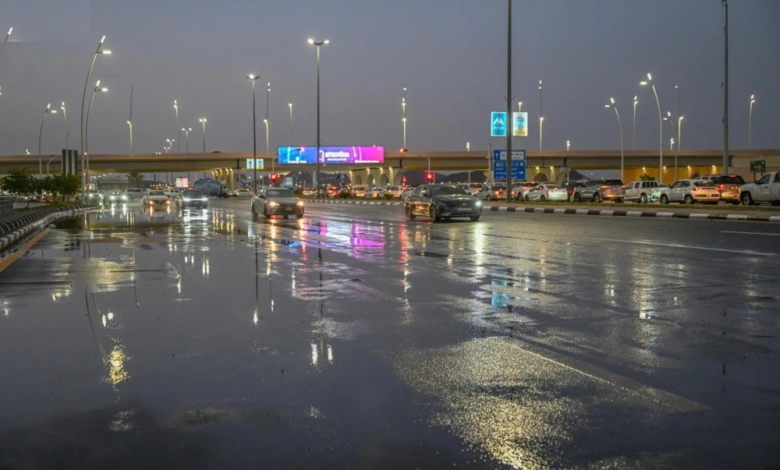
Weather forecast for Saudi Arabia for Saturday
The National Center for Meteorology issued its daily weather forecast for Saudi Arabia on Saturday, indicating continued weather fluctuations across several regions. The center predicted light rain and fog formation, along with active surface winds that will stir up dust and sand, affecting horizontal visibility in eight different areas.
According to the report, there remains a chance of light rain and fog formation over parts of the highlands in the Jazan, Asir, Al-Baha, and Makkah regions. This weather pattern extends to parts of the Riyadh and Eastern regions. Active winds stirring up dust and sand will continue to affect the coastal areas of the Tabuk and Madinah regions, with a noticeable drop in temperatures and a chance of frost during the early morning hours in parts of northern Saudi Arabia.
The climatic context of weather fluctuations in the Kingdom
These forecasts fall within the typical climatic context of winter in Saudi Arabia, a region characterized by significant geographical and climatic diversity. While desert conditions prevail across most of the country, the southwestern highlands, such as Asir and Al-Baha, enjoy a more temperate climate and receive greater rainfall, influenced by seasonal winds at certain times. Winter is the primary rainy season for most of the Kingdom, resulting from the influence of low-pressure systems originating in the Mediterranean and the deepening of the Red Sea trough. These factors lead to atmospheric instability, causing rainfall, cloud formation, and fog.
Expected effects and the importance of following warnings
These weather phenomena have direct impacts on daily life and public safety. The National Center of Meteorology and Civil Defense consistently emphasizes the need for caution. Fog and dust-laden winds reduce horizontal visibility, increasing the risk of accidents on highways. Those with respiratory conditions and allergies are advised to avoid direct exposure to dust. On a positive note, rainfall is vital for supporting the agricultural sector and replenishing groundwater reserves in a country heavily reliant on limited water resources.
Regionally, these phenomena affect maritime traffic in the Red Sea and the Arabian Gulf, two of the world's most important waterways. Therefore, accurate forecasts of sea conditions, wind speed, and wave height are essential to ensure the safety of merchant ships and fishing vessels.
State of the Red Sea and the Arabian Gulf
Red Sea:
- Surface winds: Northwesterly to northerly at a speed of 20-40 km/h in the northern and central parts, reaching 45 km/h with rain-bearing thunderstorms in the southern part.
- Wave height: from one to two meters on the northern and central parts, and from half a meter to one and a half meters, reaching more than two meters with thunderstorms on the southern part.
- Sea state: Light to moderate waves, possibly choppy in the southern part with the formation of thunderclouds.
The Arabian Gulf:
- Surface winds: Northwesterly to northerly at a speed of 10-25 km/h, reaching up to 40 km/h with the formation of thunderclouds over the northern part.
- Wave height: from half a meter to one meter, reaching two meters with the formation of thunderclouds on the northern part.
- Sea state: Light waves, but may be choppy with the formation of thunderclouds over the northern part.