Saudi Arabia Weather 2026: Rainfall and Temperature Forecast for the First Quarter
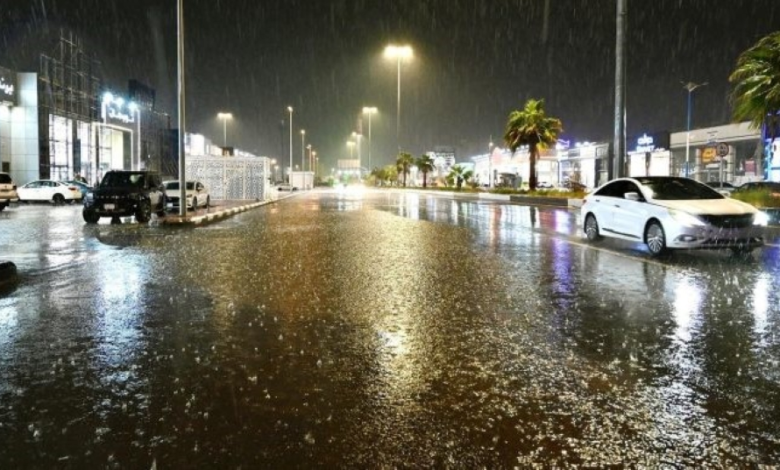
The National Center for Meteorology in Saudi Arabia has released its periodic climate forecast report for the first quarter of 2026, covering the first three months (January, February, and March). This report is part of ongoing efforts to monitor weather patterns and provide accurate data to support decision-makers and the public alike.
The importance of climate monitoring and early preparedness
This report is of paramount importance given the climate changes the world and the region are witnessing, as accurate seasonal forecasts are a cornerstone of strategic planning for many vital sectors in the Kingdom. These forecasts rely on a precise statistical analysis of historical climate records, in addition to the outputs of advanced global and local climate models. This data helps relevant authorities, such as the Civil Defense and the Ministry of Environment, Water and Agriculture, to enhance their preparedness for dealing with any extreme weather events, as well as supporting urban planning and water resource management.
Rainfall forecast map for January 2026
The report issued by the center indicated that January 2026 holds strong indications of above-average rainfall for this time of year. These chances are particularly concentrated in parts of western and central Saudi Arabia, extending to the eastern part of the Madinah region, the Hail region (excluding its southern parts), and the Northern Borders and Al-Jawf regions (excluding their western parts). Forecasts suggest that rainfall amounts in these areas could range from heavy to very heavy, necessitating caution.
In contrast, rainfall is expected to be around normal levels in the Najran region, southeast of Makkah, south of Riyadh, south of the Eastern Province, and northeast of Qassim, while it is likely to be below average in the rest of the Kingdom.
Weather forecast for February and March
Moving into February, climate models indicate relative stability, with rainfall expected to be around average and described as light to moderate in Najran, southeast of Mecca, eastern Asir, southern Riyadh, and the southern part of the Eastern Province. The remaining areas are expected to experience below-average rainfall.
In March, the report noted a return of chances for rainfall ranging from moderate to heavy in specific areas, including southern, western, and parts of central Tabuk, and northern, western, and parts of southern Medina. Rainfall is also expected to be around average in Najran (except for its western areas), northwest of Mecca, southern Riyadh, and the Eastern Province.
High temperatures and their effects
Regarding temperatures, the report indicated that the first quarter of 2026 will witness an increase in average surface temperatures above normal across all regions of the Kingdom, albeit to varying degrees. Probabilistic forecasts suggest that the maximum increase could reach approximately 1.0 degree Celsius above average, with this rise being most noticeable in the central, southern, and eastern parts of the Eastern Province, the eastern part of Najran, and the eastern and southeastern parts of Riyadh.
In conclusion, the National Center of Meteorology aims, through the publication of these detailed reports, to enhance climate awareness in the community, and to enable citizens, residents and government agencies to make the most of reliable climate information to ensure public safety and support sustainable development.