Saudi Arabia weather today: Cold wave continues, Tabuk is the coldest
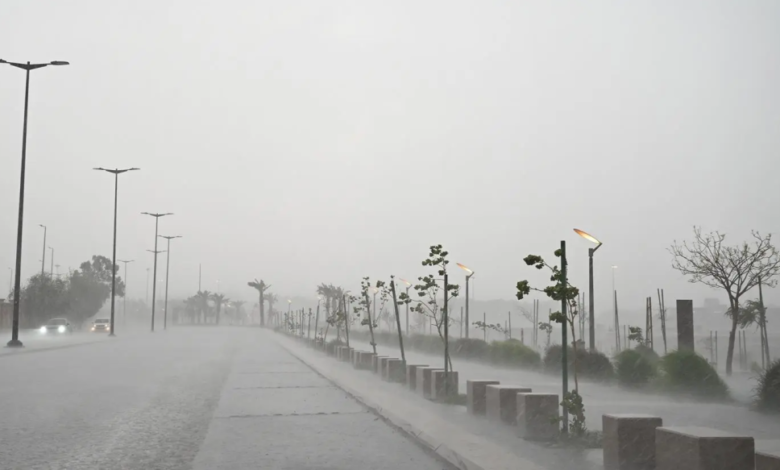
Temperatures continue their noticeable decline across most of Saudi Arabia, with the latest reports from the National Center for Meteorology revealing the ongoing impact of the cold air mass dominating the Kingdom's atmosphere. The Tabuk region is experiencing the lowest temperatures, reflecting the geographical nature of the northern regions, which are directly and rapidly affected by low-pressure systems originating from the eastern Mediterranean and polar regions, making them the northern gateway to cold weather in the Arabian Peninsula.
In detail, the expected weather conditions indicate a significant drop in minimum temperatures across the northern and central regions, including Hail, Al-Jawf, and the Northern Borders, potentially reaching or falling below freezing in some high-altitude and open areas, with a high chance of frost during the early morning hours. This temperature decrease is not limited to the north; its effects will gradually extend to the Qassim region, the northern parts of the Riyadh region, and the Eastern Province. Citizens and residents are advised to take precautions and prepare appropriate winter clothing.
Geographically and climatically, the Tabuk region, specifically the Jabal Al-Lawz and Al-Aqan highlands, is known as the winter icon of Saudi Arabia. Every year at this time, these areas transform into a premier winter tourist destination, attracting visitors and photographers from within the Kingdom and abroad to witness the white blanket of snow that often covers the mountain peaks, coinciding with these polar air masses. This climatic diversity showcases another side of the Kingdom, far removed from the stereotypical image of a hot desert climate, and underscores the richness of Saudi Arabia's terrain and its diverse environment, which supports winter tourism.
In terms of public safety, these cold waves typically coincide with periodic warnings issued by the General Directorate of Civil Defense, which consistently emphasizes the need to follow safety guidelines when using traditional heating methods (such as coal and firewood) indoors to avoid carbon monoxide poisoning, or to ensure the safety of connections in electric heaters to prevent fires. Health experts also advise protecting children and the elderly from cold drafts to prevent seasonal winter illnesses and common colds during this period of extreme temperature fluctuations.
In addition, this weather pattern may be accompanied by surface winds that stir up dust and sand in some open areas before the cold air mass settles, potentially reducing horizontal visibility. Therefore, drivers on highways connecting the provinces are advised to exercise caution and drive slowly. Following official weather forecasts and updates from the National Center of Meteorology is essential for planning daily activities and avoiding any unpleasant weather surprises during this time of year.