The Saudi Water Authority approves regulations for selling services in complexes
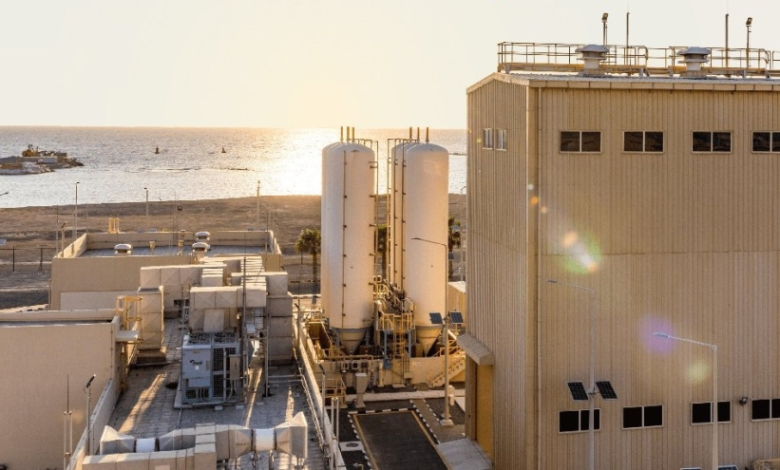
The Saudi Water Authority has issued a comprehensive regulatory framework that sets out the rules for bulk purchasing of water and wastewater services, in a strategic step aimed at regulating the relationship between service providers and major beneficiaries, ensuring the sustainability of water resources and enhancing transparency in operating costs.
Context of transformation in the water sector
This decision comes within the context of the major transformations taking place in the water sector in the Kingdom of Saudi Arabia, in line with the objectives of Vision 2030 and the National Water Strategy, which focus on improving the efficiency of services provided, enhancing private sector participation, and ensuring water security. Through these regulations, the Authority works to govern operational processes within major facilities to guarantee the delivery of high-quality water at fair prices, while reducing water waste that may result from weak and unregulated internal networks.
Improving the efficiency of delivery and distribution operations
The new regulations aim directly to improve the efficiency of self-service delivery and distribution within large facilities and residential and commercial complexes. The authority has clearly defined the financial and technical responsibilities of all stakeholders, ensuring service delivery according to the highest internationally recognized standards.
These rules apply to all "major users" as defined by the Authority's classification, encompassing all requests for connection, use, distribution, collection, and self-treatment. The regulations define a "major user" as an entity whose consumption exceeds the established limits, whether for its own operational use or for self-distribution of water to internal users within a defined geographical area. This enhances the regulation of services in industrial cities and gated residential communities.
Contracting mechanisms and infrastructure
The authority mandated that service providers review connection requests for major projects and determine the required quantities within a period not exceeding thirty working days from the date of submission. This is followed by the conclusion of a "bulk purchase agreement" that defines the technical and financial obligations and implementation schedules based on the approved price.
In a flexible move aimed at accelerating urban and economic development, the regulations allow the major beneficiary to bear the actual costs of infrastructure if the state does not currently allocate budgets for the necessary projects, or if the implementation timeline does not align with their investment plan. This is achieved through a binding infrastructure purchase agreement, which exempts the beneficiary, either fully or partially, from capital service costs as compensation for the expenses incurred, thus encouraging real estate and industrial investment.
Protecting the end consumer and strict oversight
The new regulations imposed a key requirement on beneficiaries wishing to "self-distribute" water within their complexes: they must contract with a specialized and licensed operator to manage the internal system. They also mandated the establishment of an independent accounting and accurate internal billing system based on separate meters for each internal beneficiary to ensure fairness in calculating consumption.
The regulations strictly prohibit the sale of water within or outside the facility without a license, or its use for purposes other than approved self-use. They emphasize the major beneficiary's obligation to adhere to the retail water prices set by the authority for internal users, prices that reflect actual costs to ensure that end consumers within these complexes are not exploited.
The authority granted itself and the service providers broad powers of oversight, including the right to conduct inspection visits and examine the internal networks of major facilities to ensure their compliance with regulatory requirements, threatening violators with deterrent penalties that include suspending service in cases of irregular connection or tampering with meters.