Requirements for licensing spaceports in Saudi Arabia and the start of construction
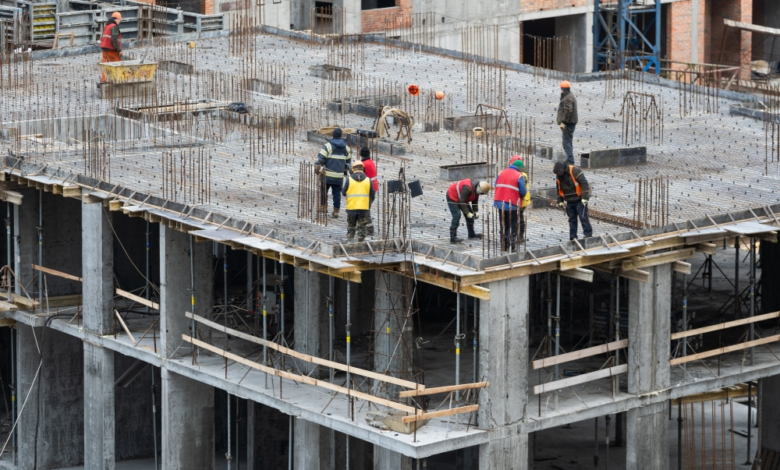
In a strategic move reflecting the Kingdom of Saudi Arabia's accelerated efforts to solidify its position in the global space sector, the Communications, Space and Technology Commission (CSTC) has released draft regulations for spaceports through the "Istilaa" platform. This initiative aims to establish a comprehensive legal and operational framework to govern the construction and operation of spaceports, both within the Kingdom and at its launch sites, thereby enhancing the safety of space operations and protecting national interests.
Strategic context: Space as a pillar of Vision 2030
These initiatives are an integral part of the Kingdom's Vision 2030, which prioritizes the space sector as a key driver of economic diversification and technological innovation. Following recent successes, including sending Saudi astronauts to the International Space Station, the Kingdom is now moving from participating in missions to developing its own infrastructure. Establishing local spaceports is a pivotal step toward achieving strategic independence in space access and attracting foreign direct investment in the multi-trillion-dollar global space industry.
Organizational details: Separation of construction and operation
The authority confirmed in its document that the regulations apply to all spaceport activities, whether land-based, maritime, or aerial. To ensure rigorous governance, the regulations distinguished between two types of licenses:
- Spaceport construction license: The entity that obtains it is obligated to start construction work within a period not exceeding 12 months from the date of grant, to ensure the seriousness of investors and not to reserve licenses without implementation.
- Spaceport operating license: Granted for a minimum of 15 years, to ensure the stability of operations and the viability of long-term investment.
International safety and compliance standards
The regulations did not overlook security and environmental aspects, as the authority stipulated the submission of comprehensive environmental impact assessments and a thorough risk analysis, including debris scenarios. It also obligated operators to ensure the Kingdom's compliance with its international commitments, such as agreements on the rescue of astronauts, which reinforces the Kingdom's credibility as a responsible partner in the international space community.
Expected economic impact
This clear regulatory framework is expected to transform the Kingdom into a regional and international hub for space launch services. This will create high-quality jobs in engineering and science, stimulate startups in the space sector, and localize satellite technologies and data services, thus supporting the Kingdom's digital and knowledge-based economy.
The authority concluded its regulations by emphasizing its power to suspend or cancel licenses in the event of risks that threaten public safety, while obligating operators to develop a comprehensive "operational manual" that is updated annually to ensure the highest standards of efficiency and safety.