Saudi Arabia regulates the exploitation of space resources with a fee of 100,000 riyals
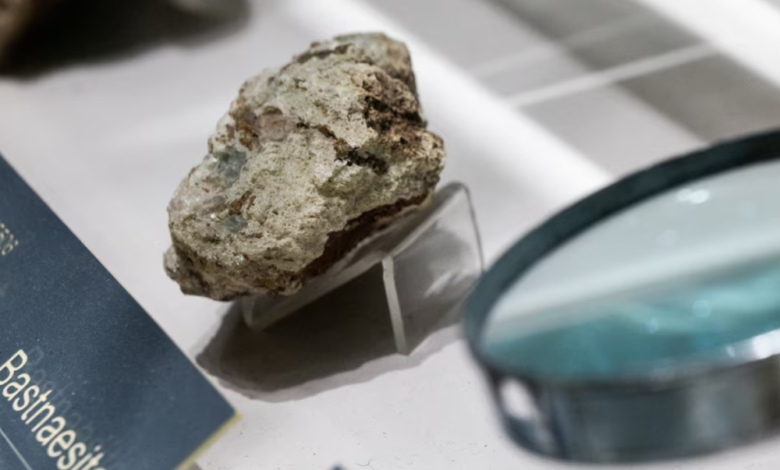
In a strategic move that reinforces Saudi Arabia's position as a key player in the global space sector, the Communications, Space and Technology Commission (CSTC) a comprehensive draft regulation through its "Istilaa" platform. This regulation aims to establish a legal and legislative framework for space exploration and resource utilization activities. This step aligns with the objectives of Saudi Vision 2030 , which seeks to diversify the Kingdom's sources of income and transition towards an innovation- and knowledge-based economy.
Strategic context and regional leadership
This move is not merely a regulatory measure, but rather part of a broader initiative by the Kingdom to solidify its presence in the emerging space economy. Following the Kingdom's signing of the Artemis Accords, which outline the principles of cooperation in civil space exploration, these regulations complement the legislative framework necessary to attract foreign and domestic investment. These regulations aim to transform the space sector from a purely research-based sector into a productive economic sector that contributes to the GDP and creates high-quality job opportunities in the fields of science, technology, and engineering.
Details of regulations and ownership rights
The Authority opened the door for investors and relevant authorities to explore and extract resources found on celestial bodies, and then return them to Saudi Arabia under strict regulations. The new regulations granted authorized parties the right to exploit or process these resources, whether directly on the surface of the celestial body, in orbit, or after reaching Earth. Permitted activities were not limited to extraction alone, but extended to include the storage, transportation, distribution, and even trading of resources and their byproducts, thus opening the door to a promising commercial market.
Operating fees and licensing structure
To ensure serious investment and regulate the market, the Authority established a clear financial structure for licenses, with the fee for space resource activities licenses set at 100,000 riyals, the same amount for space monitoring and tracking licenses. The regulations also outlined the following details:
- 30,000 riyals: Fees for operating one spacecraft and building spaceports.
- 100,000 riyals: when operating a multi-satellite system, or operating spaceports.
- 100,000 riyals: The cost of licensing the launch of unmanned orbital vehicles per operation.
- Two thousand riyals: fees for tests and experiments, permits for support flights and sonic rockets.
Environmental commitments and safety standards
In line with international responsibility and the protection of planet Earth, the regulations emphasize stringent procedures for returning resources to Earth, including providing isolation and decontamination capabilities to prevent any potential environmental or biological contamination (Planetary Protection). Applicants are also required to submit a comprehensive record of potential risks, a clear plan for minimizing space debris, and a thorough environmental and economic impact assessment of the proposed activity, reflecting the Kingdom's commitment to sustainability in space activities.
The authority stipulated that all documents must be submitted in Arabic, while allowing the attachment of supporting documents in English, in order to standardize review and auditing standards, stressing the need to report 48 hours before the start of operations to ensure real-time monitoring of the progress of operations.