A guide to Ramadan's visual identity in Saudi Arabia: approved colors and symbols
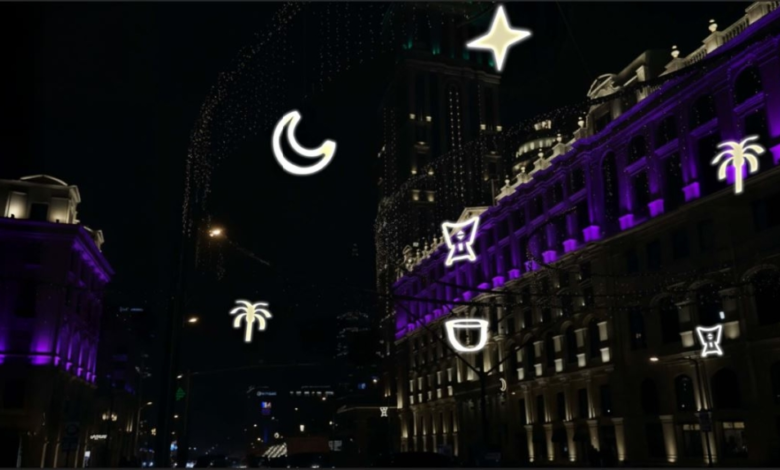
The Saudi Ministry of Culture has issued a comprehensive guide outlining the visual identity and activities for the holy month of Ramadan, aiming to unify the overall appearance of the celebrations and reinforce the cultural and national character associated with this blessed month. This guide is part of the Ministry's ongoing efforts to solidify Saudi identity and preserve cultural heritage within a modern and organized framework.
Historical background and context of the initiative
The month of Ramadan holds a special place in the hearts of Muslims worldwide, and in Saudi Arabia, it takes on a profound cultural and social dimension that transcends religious rituals. Ramadan nights have long been associated with illuminated decorations and traditional lanterns that fill the streets and homes, heralding the arrival of this blessed month. With modern developments, the forms of decoration have diversified considerably, necessitating a regulatory framework that ensures the preservation of authenticity and reflects national identity. This initiative falls within the broader context of Saudi Vision 2030, which places great importance on the cultural sector as a fundamental element of quality of life and a pillar for strengthening national identity and openness to the world.
Fine details for a unified visual identity
The ministry's guide emphasized that color is a key element in building visual identity and stressed the need for strict adherence to the specified color codes. The identity is based on the values of clarity, authenticity, grounding, and determination, adopting eight secondary colors that can be used in various forms of communication, in addition to white and beige to ensure appropriate contrast and visual clarity. Regarding fonts, the guide specified a main Arabic font with a bold weight for headings and the "Harir" font with a regular weight for text, while a main English font was adopted for headings and the "Majalla Sakkal" font for text, thus achieving harmony between the different linguistic components.
The importance of the initiative and its expected impact
Domestically, this step is expected to contribute to creating a harmonious visual landscape across the Kingdom during Ramadan, fostering a sense of unity and national belonging. It also opens doors for local designers and artisans to create products that align with the adopted identity. Regionally, this initiative positions the Kingdom as a leading model for organizing religious and cultural celebrations in a way that preserves heritage while countering commercialization. Internationally, the unified visual identity presents a sophisticated and organized image of Saudi culture to visitors and tourists, enhancing the Kingdom's soft power by exporting a cultural model that blends tradition and modernity.
Interactive games to promote culture
The guide wasn't limited to visuals; it also included a suite of interactive games inspired by Saudi cultural heritage, aiming to foster community engagement in an entertaining and educational way. Among the most prominent of these games were a question card game related to the Kingdom's founding, a card game inspired by the classic "Shidda" game with a design reflecting Saudi identity, and games that tested quick thinking and word recognition, thus enriching knowledge of local vocabulary associated with the Saudi environment.