Saudi-Qatari defense cooperation to counter Iranian threats in the region
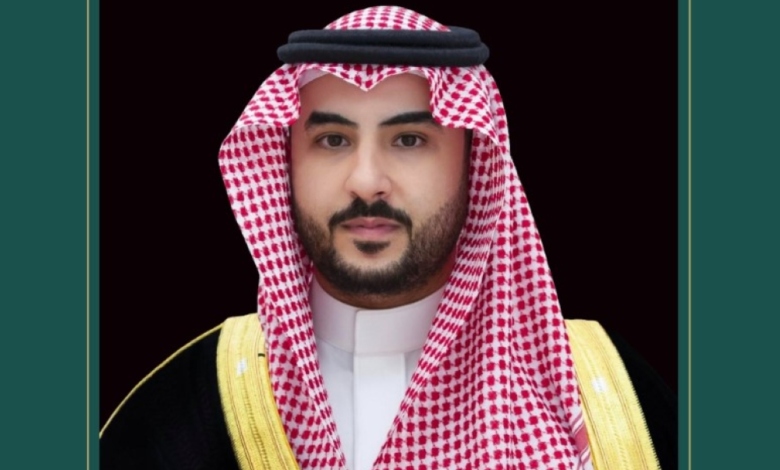
In a move reflecting the depth of strategic cooperation between the Gulf Cooperation Council (GCC) countries, His Royal Highness Prince Khalid bin Salman bin Abdulaziz, the Saudi Minister of Defense, discussed with his Qatari counterpart, His Excellency Dr. Khalid bin Mohammed Al-Attiyah, Deputy Prime Minister and Minister of State for Defense Affairs, ways to enhance joint measures to confront Iranian attacks that targeted the security and stability of the region.
This meeting comes at a critical juncture for the Arabian Gulf region, which has been subjected to a series of destabilizing threats in recent years. These tensions stem from Iran's expansionist policies and interference in the internal affairs of neighboring countries, as well as its development of advanced missile and drone programs. Among the most prominent of these attacks was the 2019 assault on Aramco oil facilities in Abqaiq and Khurais, which directly impacted global energy supplies. Furthermore, there have been repeated attacks by Iranian-backed militias, such as the Houthis in Yemen, targeting civilian and economic sites in Saudi Arabia and other countries.
During the talks, both sides affirmed their full and legitimate right to take all necessary measures to defend their sovereignty and national security. The discussion was not limited to direct threats but also included ways to counter Iran's destabilizing activities in general, including its support for armed groups and its threats to the safety of maritime navigation in vital waterways such as the Strait of Hormuz and the Bab el-Mandeb Strait, which are crucial arteries for global trade.
These talks are of exceptional importance both regionally and internationally. Regionally, this coordination sends a clear message of Gulf unity and its ability to form a cohesive defense front. This cooperation strengthens the joint deterrent force and underscores that the security of any Gulf state is an integral part of the security of the entire Gulf Cooperation Council. Internationally, the stability of the Gulf region is a cornerstone of the stability of global energy markets, and any escalation in the region has direct global economic repercussions. Therefore, these joint defense efforts also serve international interests in maintaining a secure flow of energy and preventing wider conflicts.
The meeting concluded with an agreement to continue coordination and consultation at the highest levels to unify visions and develop joint defense strategies capable of dealing with current and future challenges, in order to ensure the protection of national gains and contribute to achieving lasting security and peace in the region.