Saudi Arabia jumps to 23rd place globally in mining investment attractiveness
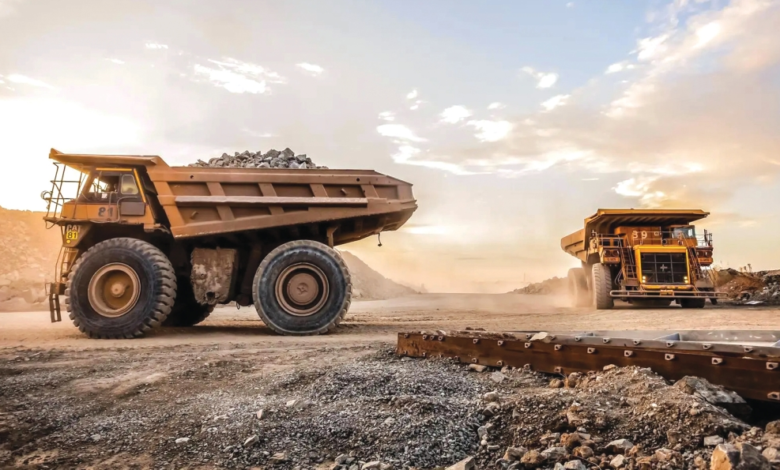
The mining sector in Saudi Arabia has witnessed a radical and historic transformation, with the Deputy Minister of Industry and Mineral Resources for Mining Affairs, Engineer Khalid bin Saleh Al-Mudaifer, affirming that the Kingdom has successfully risen to the forefront of the global mining landscape. This success is reflected in the Kingdom's remarkable progress in the Mining Investment Attractiveness Index, as reported in the Fraser Institute's 2024 Annual Survey of Mining Companies.
Al-Mudaifer explained that the Kingdom has transformed from a destination with limited appeal for mining investment, ranking 104th globally in 2013, to one of the most attractive countries for investment in this vital sector, currently ranking 23rd worldwide. This achievement solidifies mining's position as the third pillar of national industry, alongside oil and petrochemicals, in line with the ambitious goals of the Kingdom's Vision 2030.
The context of the transformation and the importance of the Arab shield
To understand this transformation, one must consider the Kingdom's geological and economic background. The Kingdom possesses vast mineral wealth, estimated at approximately 5 trillion riyals (US$1.3 trillion), concentrated primarily in the Arabian Shield region. A comprehensive mining strategy was developed to activate the exploitation of these previously untapped resources, aiming to diversify national income sources and reduce dependence on oil, thereby strengthening the Saudi economy and creating new job opportunities for young people.
Global demand and critical metals
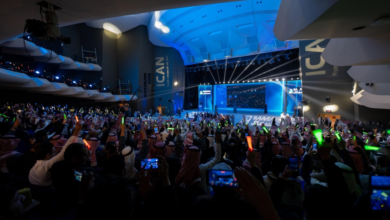
During his participation in a panel discussion titled “A Race Against Time: Ensuring Mineral Availability and Creating New Markets,” at the International Mining Conference, Al-Mudaifer addressed current global challenges. He pointed out that the world no longer needs only traditional metals like aluminum and iron, but is now in dire need of specialized and rare metals such as lithium, tungsten, and gallium. These elements, despite their relatively small demand compared to basic commodities, are the backbone of modern industries; electric cars, drones, and electronic chips cannot be produced without them.
The government's role in reducing risks
Given the price volatility and small market size of these precious metals, His Excellency emphasized that investment in them carries high risks for the private sector. This is where the pivotal role of governments comes in, not only through providing infrastructure such as energy and water, but also through innovative financial and legislative tools. He cited as an example the “National Minerals Program” adopted by the Kingdom to mitigate risks and ensure the continuity of supply chains.
Record numbers in exploration
Al-Mudaifer presented figures demonstrating the Kingdom's commitment to this issue, revealing that spending on mineral exploration has increased fivefold over the past five years. Expenditure rose from less than 105 riyals per square kilometer in 2020 to approximately 539 riyals in 2024, exceeding the targets set for 2025 and reflecting the accelerated pace of work.
The Deputy Minister concluded his remarks by emphasizing that the mining strategy is not limited to extraction alone, but aims to build an integrated system that includes localizing knowledge and innovation, calling on the world to partner with the Kingdom, which aspires to be a global center for mining technologies and venture capital, benefiting from its successful experience in building the oil and petrochemical sectors.