Genetic testing of 4,500 head of cattle in Saudi Arabia to enhance food security
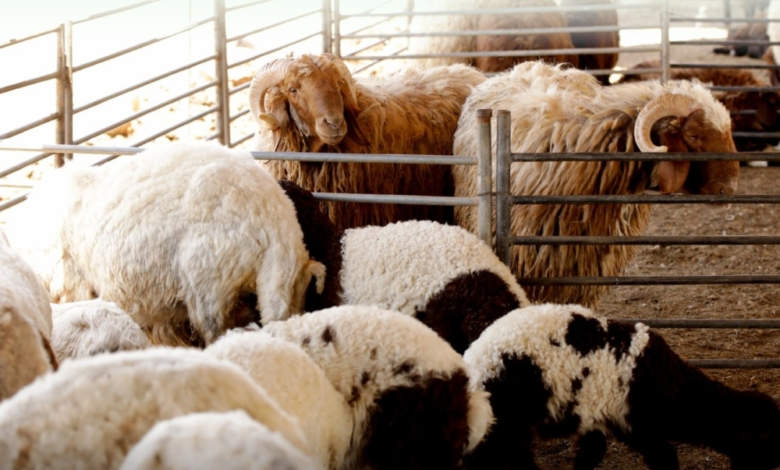
In a strategic move reflecting the Kingdom of Saudi Arabia's commitment to enhancing its food security and developing its vital sectors, the National Livestock and Fisheries Development Program announced the completion of the first phase of its genetic improvement program for sheep and goat breeds. This phase included conducting rigorous genetic profiling tests on thousands of samples from local breeds, with the aim of increasing the productivity and sustainability of the livestock sector.
Phased achievement and broad geographical coverage
During this crucial foundational phase, the program successfully collected over 4,500 samples through more than 90 intensive field visits. These visits covered six different geographical regions within the Kingdom, ensuring diversity and comprehensiveness in the research findings and reflecting the environmental variations across the Kingdom and their impact on the genetic characteristics of livestock.
Targeted strains and protection of genetic resources
Research and field efforts have focused primarily on three main local breeds that form the backbone of the Kingdom's livestock: the Najdi sheep, the Harri sheep, and the Ardi goat. These efforts aim to preserve the genetic resources of these breeds, which are highly adapted to the desert environment, and to develop them to maximize their productivity. Sampling operations have targeted the measurement of livestock's phenotypic characteristics and their correlation with genetic traits, enabling the creation of an accurate database that contributes to identifying the breeds with the highest productivity.
Historical context and an ambitious future vision
This step comes within the context of a historic transformation underway in the Kingdom's agricultural and livestock sector, where livestock breeding has been an integral part of the heritage and culture of the Arabian Peninsula for thousands of years. With the launch of Vision 2030, the focus has shifted from traditional grazing methods to adopting modern technologies and scientific approaches. Genetic improvement is a cornerstone of this transformation, moving the sector from haphazard practices to a sophisticated, data-driven industry, thus ensuring the survival and evolution of this inherited profession to meet the challenges of the modern era.
Economic impact and enhanced food security
This project is expected to have a tangible economic impact at both the local and regional levels. By enabling breeders and investors to implement modern, scientifically based breeding practices, operational costs incurred with traditional methods will be significantly reduced. Furthermore, genetic improvement will contribute to the production of more disease-resistant breeds with higher feed conversion rates and increased meat and dairy production, thereby enhancing the economic viability of livestock projects, reducing import costs, and strengthening the national food security system.
Strategic partnerships to ensure quality
To ensure the program's outcomes meet the highest international standards, this initiative is implemented in strategic partnership with prestigious academic and international institutions, namely King Saud University and the Food and Agriculture Organization of the United Nations (FAO). These partnerships lend significant scientific credibility to the program's outputs and underscore the Kingdom's commitment to implementing international best practices in livestock development.