Taiwan cancels flights due to China's 2025 military exercises
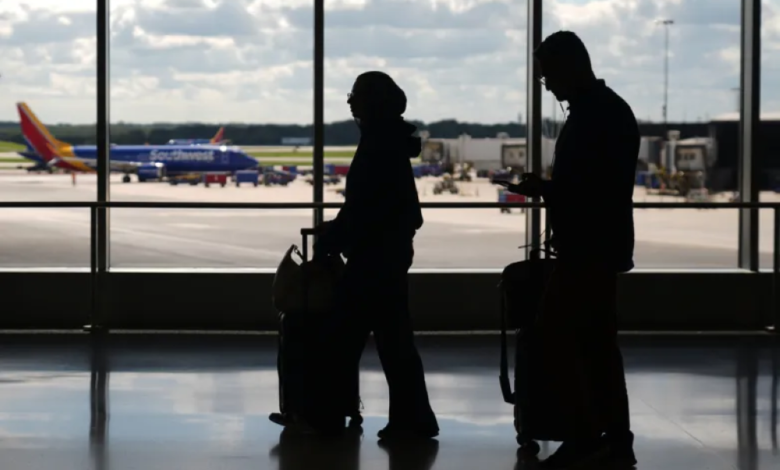
Authorities in Taiwan announced widespread disruptions to air traffic, with 74 domestic flights canceled on Monday and warnings that nearly 857 more flights could be affected, amid escalating military tensions in the Taiwan Strait. This precautionary measure comes in response to Beijing's announcement of large-scale military exercises surrounding the island.
Details of the Chinese military exercises “Mission Justice 2025”
China has officially confirmed its intention to conduct large-scale military exercises around Taiwan, including live-fire drills, starting Tuesday. According to the statement, the exercises will cover five strategic areas in the sea and air surrounding the self-governed island, a move Taipei has denounced as a dangerous escalation and an attempt to intimidate the island's residents.
In detailing the operation, Colonel Shi Yi, spokesperson for the Eastern Theater Command of the People's Liberation Army, stated that the troops would begin their movements on December 29. He explained that the exercises, codenamed "Mission Justice 2025," would involve a wide range of military branches, including the ground forces, navy, air force, and strategic missile forces, in a clear show of military strength.
Background of the conflict and historical roots
To understand the dimensions of this escalation, one must consider the historical context of the relationship between the two sides. China considers Taiwan an integral part of its territory and has vowed to annex it, by force if necessary, while Taiwan has operated as an independent democratic state since 1949. These maneuvers are part of a series of pressure tactics employed by Beijing to assert its sovereignty and reject any separatist movements or external support for the island's independence.
Economic and strategic repercussions
The impact of these maneuvers extends beyond the military sphere, encompassing significant economic and logistical implications. The Taiwan Strait and its surrounding airspace are among the world's busiest waterways, through which a substantial portion of global trade and supply chains, particularly in the semiconductor sector, pass.
Airspace closures or maritime restrictions due to live-fire exercises pose significant challenges for airlines and shipping companies, potentially leading to global delays and increased insurance and shipping costs. Locally, flight cancellations isolate residents of Taiwan's outer islands, disrupting daily life and business operations.
regional and international position
These developments are causing widespread regional and international concern, with neighboring countries such as Japan and the Philippines closely monitoring the situation due to their geographical proximity and the impact of stability in the Taiwan Strait on their national security. The United States, which maintains strong unofficial ties with Taiwan and is committed to providing it with defensive weapons, is also following these developments cautiously, consistently calling for the preservation of the status quo and the avoidance of any unilateral actions that could lead to open conflict in the Pacific region.