Japan earthquake today: 5.5 magnitude tremor hits Aomori, no tsunami warning issued
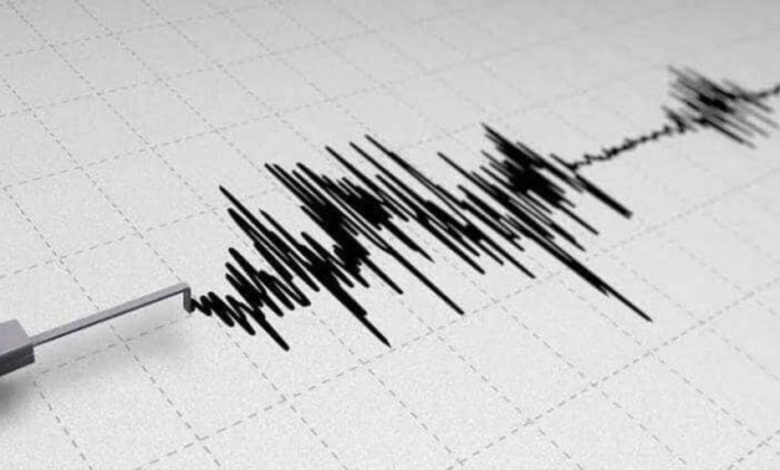
Northern Japan, specifically off the coast of Aomori Prefecture, experienced significant seismic activity today, with a 5.5 magnitude earthquake striking the Pacific coast. This event serves as a reminder of the geologically active nature of the Japanese archipelago.
Details of the earthquake and meteorological statements
According to official data from the Japan Meteorological Agency , the earthquake's epicenter was located off the coast of Aomori at a depth of 50 kilometers below the sea surface. The agency confirmed in its immediate statement that no tsunami warning had been issued as a result of the quake, which reassured local residents. As of the time of this report, there have been no official reports of damage to infrastructure or injuries, reflecting the effectiveness of Japan's preparedness.
Japan and the Ring of Fire: An Important Geological Context
Earthquakes of this magnitude are not uncommon in Japan, which lies on the Pacific Ring of Fire, a region of intense seismic and volcanic activity caused by the collision of several tectonic plates. Japan experiences thousands of earthquakes annually, but the vast majority are minor and go unnoticed.
The Japanese government pays close attention to earthquake-resistant building standards, especially after the lessons learned from major historical earthquakes, such as the 2011 Tohoku earthquake. These strict standards are the main reason - after God's care - that a magnitude 5.5 earthquake often passes with little to no damage, while it may cause massive destruction in other countries that lack the same engineering equipment.
Earthquakes will increase globally in 2025
This earthquake comes within a broader context of global seismic activity since the beginning of 2025, with experts observing an increase in daily earthquakes. The intensity of these tremors and their geographical spread are particularly noteworthy, with powerful earthquakes exceeding magnitude 6 on the Richter scale occurring in various regions, including Asia, South America, and the Mediterranean basin.
Types of earthquakes and their causes
To understand the nature of these phenomena, geologists classify earthquakes based on their causes into several main types:
- Tectonic earthquakes: These are the most common and occur as a result of the movement, sliding and collision of tectonic plates along fault lines.
- Volcanic earthquakes: These are directly related to volcanic activity, where the movement of magma in the Earth's interior generates strong vibrations.
- Induced (human) earthquakes: These are tremors resulting from human industrial activities, such as the construction of large dams that put pressure on the Earth's crust, or natural resource extraction operations and construction blasts.
Scientific studies indicate that the rate of large earthquakes (magnitude 7 and above) has remained relatively constant over the decades, but technological development and the speed of information transfer through media and social media platforms have contributed to increasing global awareness and coverage of these events as soon as they occur, giving the impression that their number has increased.