UN condemns cuts to humanitarian aid: warning of a global catastrophe
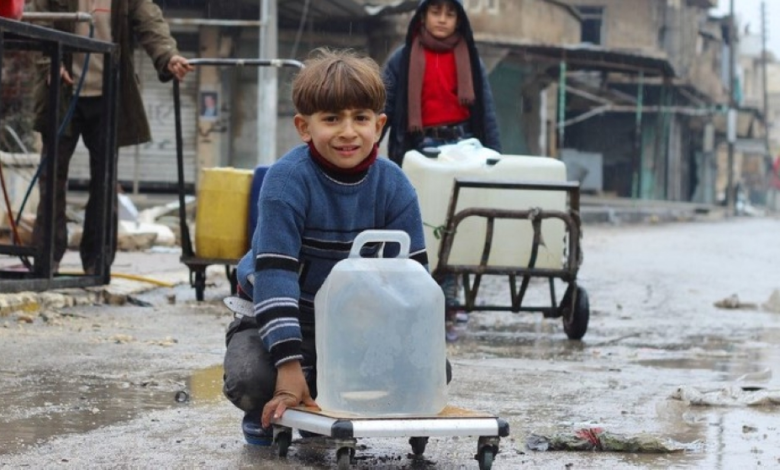
In strongly worded remarks reflecting the depth of the global humanitarian crisis, the UN High Commissioner for Refugees, Filippo Grandi, sharply criticized policies that reduce funding for aid organizations. Speaking at a follow-up meeting to the Global Refugee Forum in Geneva, Grandi described the recent cuts in humanitarian aid as “irresponsible” and lacking strategic vision, warning of dire consequences that could result from this decline in international commitment.
A storm of successive crises
Grandi emphasized that the past year was anything but ordinary, describing it as a “real storm” that battered the humanitarian system. The UN official noted an unprecedented increase in conflict zones and areas of tension, citing the ongoing atrocities in Sudan, Ukraine, the Gaza Strip, and Myanmar. He explained that the convergence of these conflicts with declining funding constitutes a “sudden collapse” of the international community’s capacity to respond to disasters, leaving millions of victims without a safety net.
International context and repercussions of funding shortages
These warnings come at a highly sensitive time, as the UNHCR budget has seen a sharp decline of 35% since the beginning of the year. This shortfall is directly linked to major geopolitical shifts, most notably the return of US President Donald Trump to the White House, which has significantly impacted the volume of US contributions, which have long been the largest donor of humanitarian aid globally. This decline in funding is not merely a matter of budget figures; on the ground, it translates into shortages of food, medicine, and shelter for millions of forcibly displaced people.
Historically, humanitarian aid has been considered a cornerstone of international stability, helping to prevent the escalation of conflicts and curb irregular migration. However, Grandi argues that the current situation is “destroying the humanitarian sector” and causing needless suffering, which could destabilize refugee-hosting countries and exacerbate regional crises.
Political exploitation and compounded suffering
The High Commissioner's remarks were not limited to the financial aspect; he also addressed the ethical and political dimensions of the crisis. He explained that 2025 witnessed systematic campaigns to demonize refugees, who were being used as scapegoats in many countries for electoral gain. He pointed out that this hostile political rhetoric fuels racial divisions and creates fertile ground for hate speech, while human traffickers exploit the desperation of these vulnerable people for illicit profit.
A structural crisis within the United Nations
The financial crisis had a devastating impact on the UNHCR's organizational structure. Due to financial constraints and Washington's budget cuts, which covered approximately 40% of the budget, the organization was forced to make painful decisions, including eliminating more than a quarter of its jobs and laying off nearly 5,000 staff members. This comes at a time when the number of forcibly displaced people worldwide has more than doubled, reaching 117.3 million by mid-2025.
Amid these challenges, the international community is awaiting the United Nations General Assembly's ratification of the appointment of former Iraqi President Barham Salih as head of the commission, succeeding Grandi, whose term ends at the end of the year after a decade spent dealing with escalating refugee crises.