Education investments in Saudi Arabia: Building the future generation and Vision 2030

Education is the cornerstone of national progress and advancement, and the primary driver of sustainable development. In the Kingdom of Saudi Arabia, education is no longer merely a government service, but has transformed into a massive strategic investment aimed at building and empowering human capital. On the occasion of the International Day of Education , observed annually on January 24, experts confirmed to Al-Youm newspaper that the Kingdom is steadily progressing towards achieving a thriving knowledge-based economy through the gateway of education.
Historical context and the shift towards a knowledge economy
Historically, the Kingdom has focused in past decades on expanding the infrastructure of schools and universities and spreading education throughout all regions. With the launch of Vision 2030 Human Capability Development Program by His Royal Highness the Crown Prince, may God , which aims to develop the skills of Saudi citizens from early childhood through lifelong learning, to make them globally competitive.
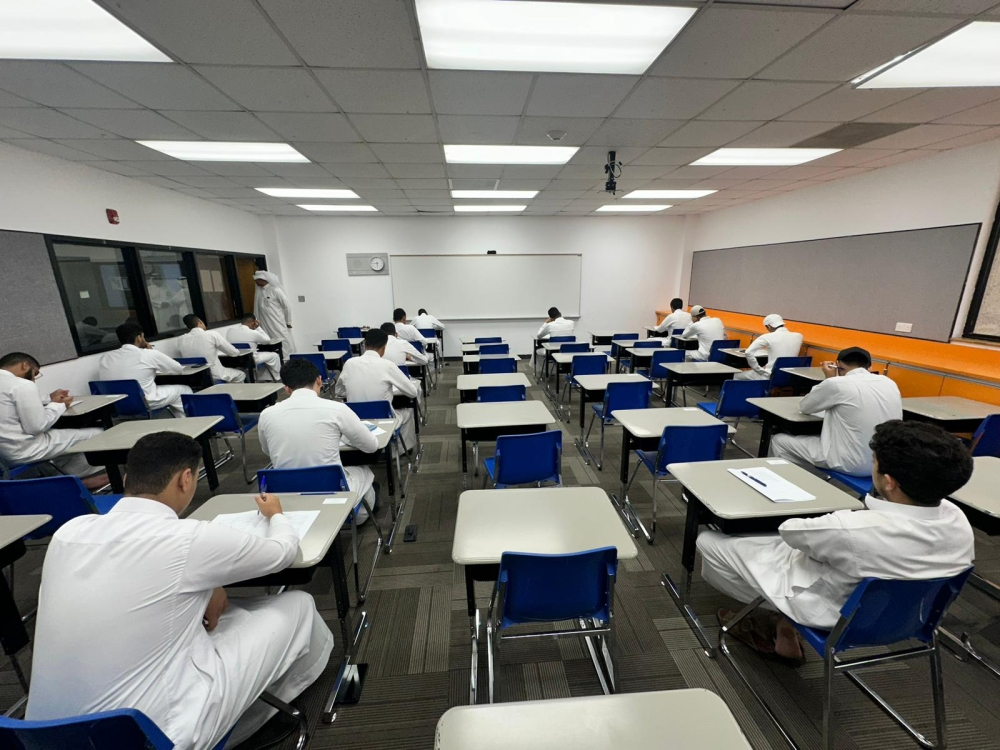
Quality investments and unprecedented leadership support
Professor Amal Al-Othman, a specialist in curriculum and teaching methods, affirmed that the significant advancements witnessed in the education sector are a direct result of the generous support provided by the Custodian of the Two Holy Mosques and His Royal Highness the Crown Prince. She noted that this support has not been limited to substantial budgets, but has also encompassed the development of the legislative and regulatory framework for education, as well as the promotion of innovation and digital transformation.
Al-Othman explained that these efforts are directly aimed at aligning education outputs with the evolving needs of the labor market and raising the Kingdom’s indicators in global rankings, in line with the United Nations Sustainable Development Goals (SDGs), stressing that investment in education is the true guarantee for a more diversified and stable economic future.

Dr. Amal Al Othman
Artificial intelligence and human empowerment
For her part, Associate Professor of Artificial Intelligence, Dr. Iman Ali Al Dhaheri, highlighted the role of technology in reshaping the future of education. She explained that quality education goes beyond traditional rote learning to developing critical thinking and problem-solving skills, which are essential skills in the era of the Fourth Industrial Revolution.
Al-Dhaheri pointed out that the digital transformation in Saudi education, which is a leading global model, especially after the success of the “My School” platform, now depends on employing artificial intelligence to provide a personalized learning experience that takes into account individual differences and provides immediate feedback, thus transforming educational institutions into incubators for innovation.
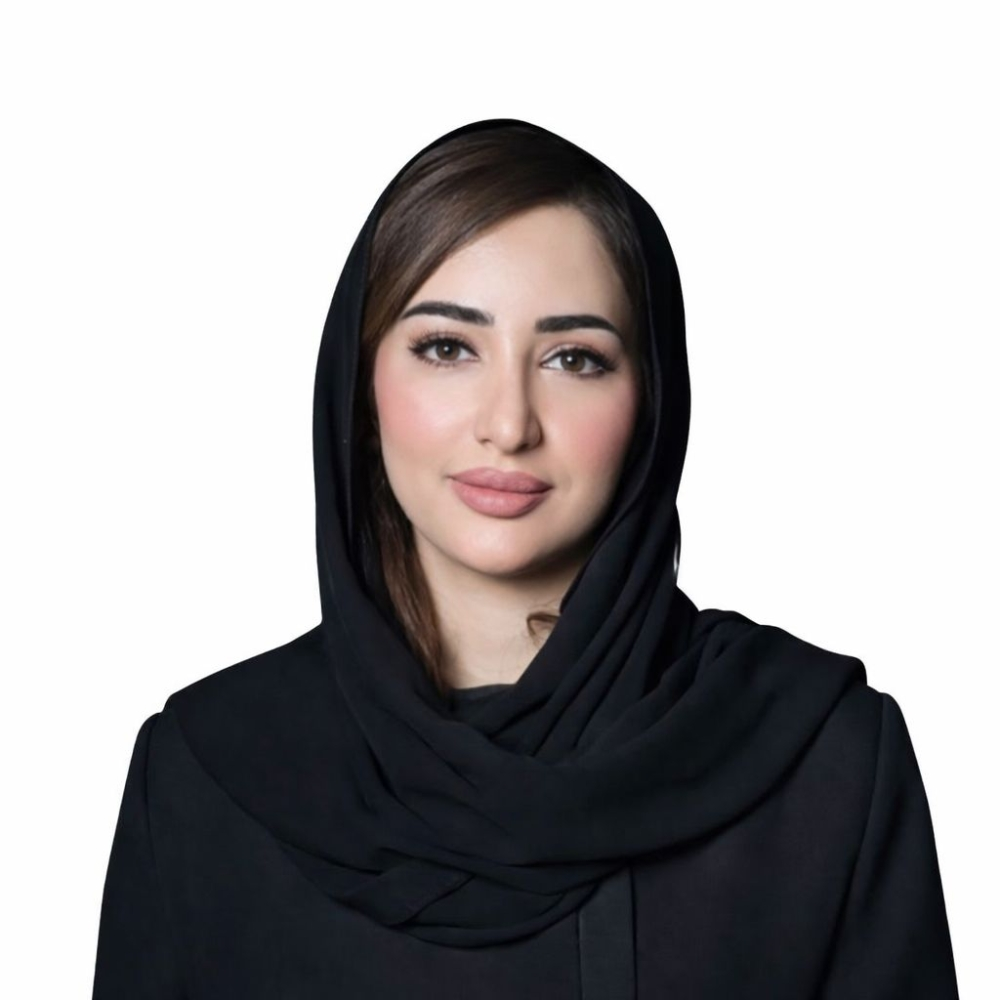
Dr. Iman Ali Al-Dhaheri
Skills gap challenges and the labor market
In a related context, Dr. Maram Fahad Al-Mufarrah, a professor at the College of Computer and Information Sciences at Al-Jouf University, addressed the challenges facing education systems globally, most notably the gap between theoretical education and practical skills. She emphasized that the solution lies in adopting flexible educational models based on project-based learning and updating educational policies to strengthen partnerships with the private sector.
Al-Mufarrah added that investing in people is the main pillar, and that promoting a culture of continuous learning is the only way to keep pace with rapid technological changes and ensure the readiness of the national workforce for the future.
Innovation as an absolute necessity
Dr. Fawzia Hassan Ghazawi, a software engineering specialist, concluded by emphasizing that digital transformation is no longer a luxury but an urgent necessity. She explained that digital platforms have opened up vast opportunities for learning outside of traditional classrooms, thus enhancing equitable access to education.
Ghazawi stressed that investing in educational innovation is the best way to build generations capable not only of adapting to the future, but of creating it, through education that is linked to real life and based on advanced skills.

Dr. Fawzia Hassan Ghazawi
Regional and international impact
It is worth noting that Saudi Arabia's experience in developing education and digital transformation has garnered global attention, with international organizations such as UNESCO praising the Kingdom's efforts in ensuring the continuity of education and developing its digital infrastructure. These massive investments are expected to contribute to transforming the Kingdom into a regional hub for innovation and knowledge, thus strengthening its position among the G20 nations and achieving its goals of economic diversification away from oil.