The Crown Prince and the Sultan of Oman discuss the escalation in the region by phone
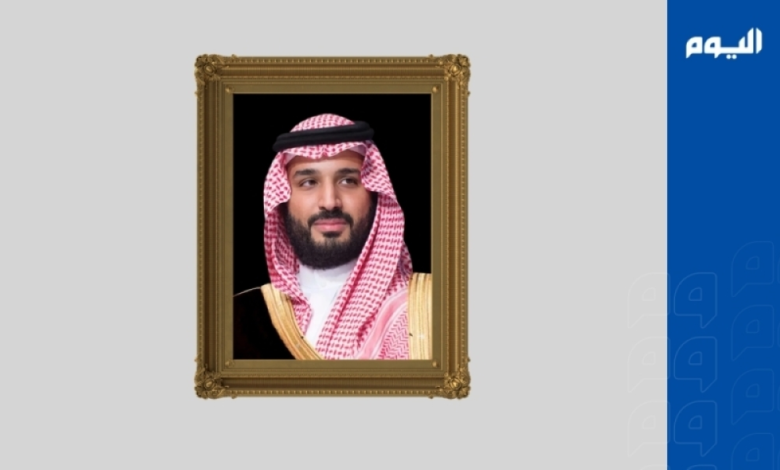
Amid escalating tensions in the Middle East, His Royal Highness Prince Mohammed bin Salman bin Abdulaziz Al Saud , Crown Prince and Prime Minister, held a telephone conversation with His Majesty Sultan Haitham bin Tariq , Sultan of Oman. The call focused primarily on reviewing the latest regional developments, particularly in light of the recent military escalation, and discussing ways to enhance security and stability.
Historical background and regional context
This high-level coordination comes at a critical juncture, following the exchange of direct attacks between Iran and Israel, which represent a dangerous shift in the nature of the regional conflict and threaten to drag the region into a wider war. Saudi Arabia and Oman share deep-rooted historical ties and common strategic interests as prominent members of the Gulf Cooperation Council. Oman is historically known for its diplomatic role as a neutral mediator in numerous regional crises, maintaining open channels of communication with various parties, including Iran, thus giving it a pivotal role in efforts to de-escalate tensions.
The importance of communication and its expected impact
The significance of this call lies in its reflection of a shared Gulf commitment to containing the crisis and preventing a deterioration of the security situation. During the call, the two leaders discussed the serious repercussions of military escalation on regional and international security. His Royal Highness the Crown Prince stressed the need to exert every effort to prevent the situation from worsening and to spare the region the dangers of war. Both sides affirmed the fundamental principles governing international relations, foremost among them the importance of respecting the sovereignty and territorial integrity of states, and adhering to international law and the UN Charter for the peaceful resolution of disputes.
Any security instability in the region will not only affect its countries but will also have repercussions for the entire global economy, given the region's strategic importance in global energy supplies and vital maritime shipping lanes. Therefore, these consultations between Riyadh and Muscat are part of a broader diplomatic effort aimed at building a unified stance that calls for restraint and prioritizes wisdom, serving the interests of the region's people and preserving their developmental gains, particularly ambitious projects like Saudi Vision 2030, the realization of which requires a stable and secure regional environment.