Crown Prince discusses regional tensions with Gulf and Jordanian leaders
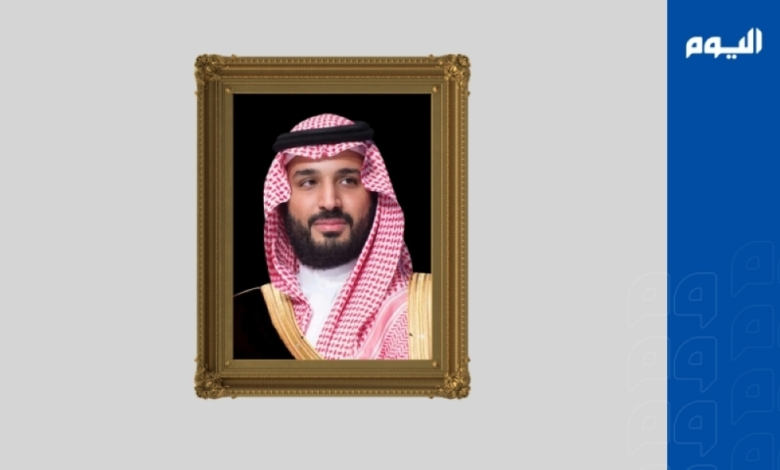
In a diplomatic move reflecting the unified Gulf and Arab stance, His Royal Highness Prince Mohammed bin Salman bin Abdulaziz Al Saud, Crown Prince and Prime Minister, conducted a series of telephone calls with the leaders of several brotherly nations. These calls included His Highness Sheikh Mohammed bin Zayed Al Nahyan, President of the United Arab Emirates; His Majesty King Hamad bin Isa Al Khalifa, King of the Kingdom of Bahrain; His Highness Sheikh Tamim bin Hamad Al Thani, Emir of the State of Qatar; His Highness Sheikh Mishal Al-Ahmad Al-Jaber Al-Sabah, Emir of the State of Kuwait; and His Majesty King Abdullah II bin Al-Hussein, King of the Hashemite Kingdom of Jordan.
Context of communications and regional escalation
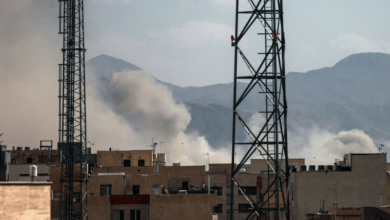
These contacts come at a critical time, as the Middle East region witnesses a dangerous escalation of tensions, particularly following the unprecedented Iranian attack on Israel recently, which involved dozens of drones and missiles. This attack, launched in retaliation for Israel's targeting of the Iranian consulate in Damascus, traversed the airspace of several Arab states, placing their security and sovereignty in direct danger and sparking widespread international concern about the outbreak of a full-blown regional war. During his discussions, His Royal Highness the Crown Prince affirmed the Kingdom of Saudi Arabia's full solidarity with and support for these brotherly nations in the face of what he described as "the brutal Iranian aggression" that threatens the security and stability of the entire region.
The importance and impact of a unified stance
This initiative holds significant strategic importance on several levels. Regionally, these contacts send a clear message of unity and close coordination between the Gulf Cooperation Council (GCC) states and Jordan, and reaffirm the principle of collective security, which is the cornerstone of regional stability. His Royal Highness the Crown Prince also emphasized that the Kingdom is committed to supporting its brothers in all measures they take to protect their sovereignty and the safety of their citizens. This stance strengthens these countries' ability to address shared security challenges and enhances their negotiating position on the international stage.
At the international level, these diplomatic moves reflect a clear desire on the part of key regional powers, foremost among them Saudi Arabia, to contain the crisis and prevent it from escalating into open conflict, the consequences of which could be disastrous for the global economy and energy security. This is a clear call for the international community to assume its responsibilities in curbing the escalation and working to find diplomatic solutions that guarantee the region's security and prevent the recurrence of such attacks, which undermine all efforts toward peace and development.