Saudi Cabinet: Commends national initiatives and international cooperation
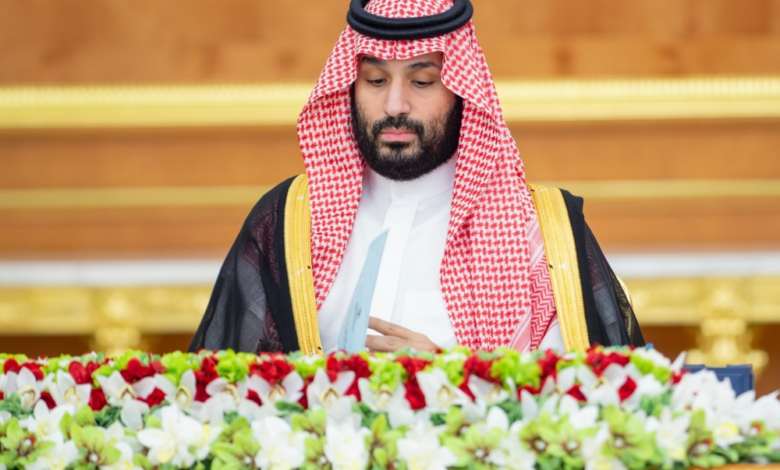
His Royal Highness Prince Mohammed bin Salman bin Abdulaziz Al Saud, Crown Prince and Prime Minister, chaired the Cabinet meeting held in Jeddah, during which a range of local and international issues were reviewed, with particular focus on the progress made in national initiatives and their role in achieving the goals of the Kingdom’s Vision 2030.
Praise for community engagement and its role in development
The Cabinet praised the broad and tangible public engagement with the various national initiatives aimed at promoting the values of solidarity, generosity, and charitable work. This praise comes within a broader context reflecting the success of these initiatives in achieving their objectives, which extend beyond simply providing financial support to include instilling a sense of social responsibility and active participation by citizens and residents in the Kingdom's comprehensive development journey.
General context: National initiatives and Vision 2030
These initiatives are an integral part of the Kingdom’s Vision 2030, launched by the Crown Prince in 2016 with the aim of transforming the Saudi economy and society. The Vision seeks to build a vibrant society, a thriving economy, and an ambitious nation, and activating the role of the non-profit sector and encouraging volunteer and charitable work are fundamental pillars for achieving these goals. Platforms such as “Ihsan” and “Jood Housing,” among others, are prime examples of how technology can be leveraged to maximize the positive impact of charitable work and ensure that support reaches those who need it efficiently and transparently, directly contributing to improving the quality of life for citizens.
Strengthening international partnerships and supporting regional stability
At the beginning of the session, the Crown Prince briefed the Council on the results of his meeting with His Excellency the President of the Arab Republic of Egypt, during which they reviewed the close historical relations between the two brotherly countries and ways to develop them in various fields. They also discussed developments in the Middle East and the efforts being made to achieve security and stability, which underscores the pivotal role played by the Kingdom and Egypt in coordinating positions to address regional challenges.
The Council also reviewed the latest developments in international cooperation by discussing the work of joint committees with several sisterly and friendly nations, emphasizing the importance of these partnerships in achieving mutual interests and expanding the scope of coordination and cooperation. The session resulted in the approval of several memoranda of understanding and international agreements covering diverse fields such as digital development, security, the environment, health, investment, air transport, and even the peaceful exploration of outer space, with countries including Kyrgyzstan, Pakistan, Armenia, Turkmenistan, the Netherlands, Estonia, and Cuba, reflecting the Kingdom's active and balanced foreign policy.
Strategic decisions to support the economy and regulation
The Council adopted a number of important decisions aimed at strengthening the economic and regulatory environment in the Kingdom, most notably:
- Digital Cooperation: The Chairman of the Board of Directors of the King Abdulaziz Foundation is authorized to sign a draft memorandum of cooperation with the Ministry of Digital Development in the Kyrgyz Republic.
- Security Cooperation: The Minister of Interior is authorized to discuss a draft memorandum of understanding in the field of developing scientific, training and research cooperation with Pakistan.
- Investment and Environment: Approval of Memoranda of Understanding to encourage direct investment with Estonia, and in the field of environmental protection with Turkmenistan.
- Space: Approval of a guiding model for a memorandum of understanding for cooperation in the exploration and peaceful use of outer space.
- Economic organization: Merging the “National Competitiveness Center” and the “Saudi Center for Economic Business” into one center called the “Saudi Center for Competitiveness and Business”, with the aim of unifying efforts and improving the business environment in the Kingdom.
These decisions reflect the government’s continued commitment to developing legislative and regulatory frameworks to support the national transformation process and achieve sustainable development at all levels.