Saudi coffee: A cultural heritage and an economic engine within Vision 2030
Saudi coffee: a symbol of generosity and a strategic crop
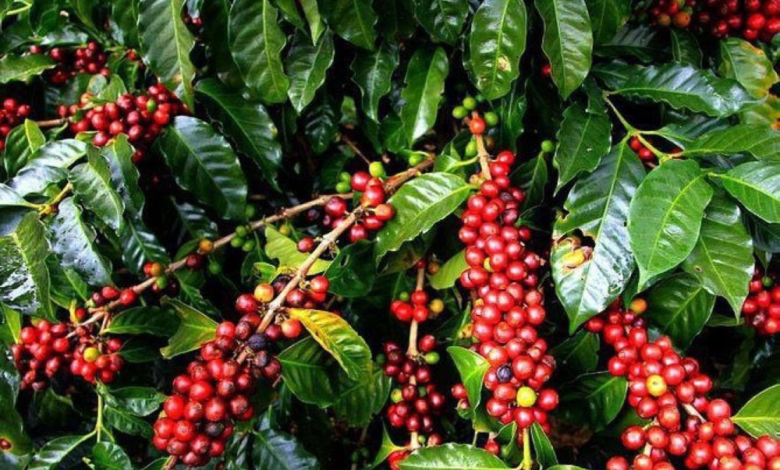
The Ministry of Environment, Water and Agriculture affirmed that Saudi coffee is not merely an agricultural crop, but an integral part of the Kingdom's cultural and social heritage. It reigns supreme in Saudi hospitality and graces tables, especially during the holy month of Ramadan. With its diverse preparation and serving methods, the cup of Saudi coffee remains a symbol of generosity and authenticity, linking a rich past with a prosperous present. Its cultivation is widespread in the fertile mountainous highlands of southwestern Saudi Arabia, benefiting from the unique climate and rich soil that bestow upon it exceptional quality and a distinctive flavor reflecting the nature of its land.
Historical background and global cultural heritage
Coffee cultivation has roots in southern Arabia for centuries, particularly the Khawlani variety, considered among the finest in the world. Coffee is deeply intertwined with Saudi traditions, from the rituals of preparing it over an open fire to the etiquette of serving it to guests, making it an essential element of social occasions. In recognition of its importance, "Arabic coffee" was inscribed on UNESCO's Representative List of the Intangible Cultural Heritage of Humanity, a global acknowledgment of its value as a symbol of human hospitality. The Ministry of Culture further strengthened this legacy by declaring 2022 the "Year of Saudi Coffee," a national initiative to celebrate this unique product and support its growers.
Government support to achieve the goals of Vision 2030
The “Our Land’s Bounty” campaign, launched by the Ministry of Environment, Water and Agriculture, comes within a broader context of supporting local produce and enhancing food security—key objectives of Saudi Vision 2030. These efforts aim to transform the coffee sector into a sustainable industry that contributes to diversifying national income sources and providing employment opportunities for citizens in rural areas. Through support and guidance programs, the Ministry seeks to increase farmers’ productivity, develop coffee varieties, and expand cultivated areas, with the goal of achieving an annual production of 7,000 tons, thus opening up promising export opportunities to global markets.
Production figures and economic impact
The Ministry revealed that the Kingdom's regions (Jazan, Asir, Al-Baha, Makkah, and Najran) are home to over 1.3 million productive coffee trees, yielding more than 870 tons of high-quality pure coffee annually. The Jazan region leads in production with over 966,000 fruit-bearing trees producing more than 642 tons. It is followed by the Asir region, which has over 243,000 trees and produces approximately 175 tons. The Al-Baha region contributes around 72,000 trees, while Makkah's farms produce more than 10 tons from 12,000 trees, and Najran produces over 7 tons from 9,000 trees. These figures not only reflect the scale of production but also indicate a growing economic base that supports thousands of farmers and promotes sustainable development in these regions.
From local to global: A promising future
The Ministry urged consumers to purchase locally grown coffee products, not only for their rich nutritional benefits but also to support local farmers and bolster the national economy. Consuming local agricultural products is a cornerstone of achieving food security and aligns perfectly with the goals of Saudi Vision 2030. With the growing global interest in specialty coffee, Saudi coffee has a unique opportunity to establish a prominent position in international markets, offering the world the authentic flavor and quality of the Kingdom's highlands.