Civil Defense: A comprehensive plan for the safety of pilgrims at the Grand Mosque
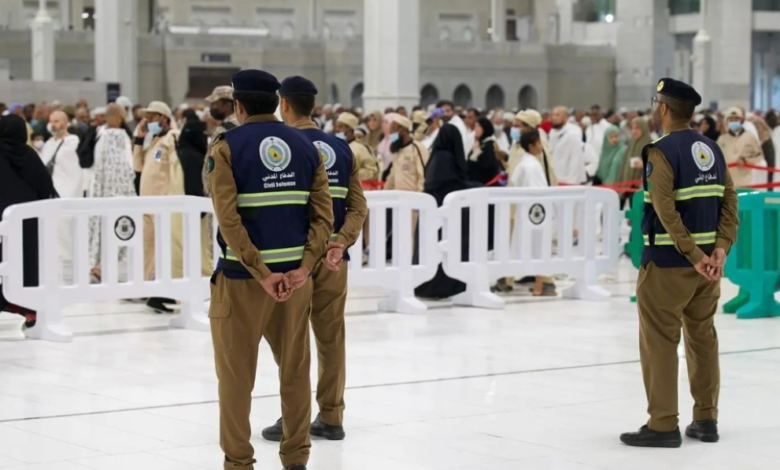
The General Directorate of Civil Defense in the Kingdom of Saudi Arabia has strengthened its efforts and field procedures to ensure the safety and security of “guests of God” from Umrah pilgrims and visitors in the Grand Mosque and its surrounding courtyards, as part of its comprehensive plan for the holy month of Ramadan, which witnesses a peak in the number of people coming to perform Umrah rituals.
These intensive efforts include providing a comprehensive range of humanitarian and guidance services to visitors of the Grand Mosque, and directly carrying out essential civil defense tasks in dealing with any emergency. Field teams are deployed throughout the Grand Mosque to provide immediate assistance, especially to the elderly and people with disabilities, and to contribute to crowd management and the organization of worshippers' movement to ensure smooth flow and prevent stampedes during peak times.
Historical background and paramount importance of safety
These measures stem from the Kingdom of Saudi Arabia's historic responsibility to serve the Two Holy Mosques and care for their visitors. Over the decades, the Kingdom has accumulated vast experience in managing the world's largest gatherings of people during the Hajj and Umrah seasons. Safety and security plans are the cornerstone of the success of these seasons, and they are continuously updated and utilize the latest technologies to address logistical and security challenges. The ultimate goal is to provide a safe and secure environment that enables millions of Muslims to perform their religious rites with devotion and tranquility.
Local and international impact of safety efforts
The success of crowd management at the Grand Mosque in Mecca has implications that extend far beyond the local level. Internationally, these efforts enhance the Kingdom's image as a leader of the Islamic world and a trusted custodian of its holiest sites, earning it the trust and appreciation of millions of Muslims worldwide. Locally, these plans ensure the smooth running of the religious season, which positively impacts all service sectors. The Civil Defense operational plan includes the continued operation of support and backup centers, rapid intervention units, preventive oversight points, and motorcycles equipped for rapid response, all aimed at achieving optimal response times in emergencies. This is in addition to broadcasting continuous awareness messages via screens located in areas with high population density.