Saudi Arabia rejects Israel's recognition of Somaliland and supports Somali unity
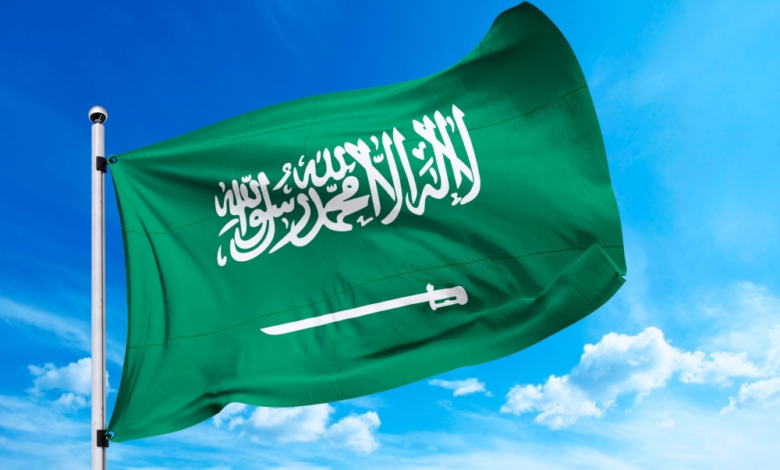
The Saudi Ministry of Foreign Affairs issued a firm official statement affirming the Kingdom's unwavering support for the sovereignty of the sisterly Federal Republic of Somalia, stressing the need to preserve its unity and territorial integrity in the face of current challenges. This stance came in response to the announcement of mutual recognition between the Israeli occupation authorities and the Somaliland region, a move Riyadh described as a consecration of unilateral separatist actions that blatantly contravene the principles of international law and the Charter of the United Nations.
A firm rejection of any attempt to undermine the unity of Somalia
The Saudi Ministry of Foreign Affairs clarified that the Kingdom rejects any attempts to impose parallel entities or legitimize secession in a manner that contradicts the unity of the Somali state. It considered the move of mutual recognition between the occupying power and the secessionist region a serious breach of diplomatic norms, one that could exacerbate tensions in the Horn of Africa, a region already grappling with complex security and political challenges. The Kingdom affirmed its full support for the legitimate institutions of the Somali state, enabling them to extend their authority over all national territory.
Historical background and context of the crisis
To understand the dimensions of this situation, it is worth noting that the region of Somaliland unilaterally declared its independence from the central government in Mogadishu in 1991, following the collapse of Siad Barre's regime and the outbreak of civil war. Despite enjoying relative stability and a functioning internal political system, the region has not received international recognition from the United Nations or the Arab League, both of which consider it an integral part of the Republic of Somalia. The region's attempts to seek external recognition, including engaging with the occupying authorities, are part of its efforts to break its international isolation. The federal government in Mogadishu categorically rejects these attempts, viewing them as an infringement on national sovereignty.
Strategic importance and the Arab position
The Saudi position stems from the pillars of the Kingdom's foreign policy, which places paramount importance on Arab national security and the security of the Red Sea. The stability and unity of Somalia are fundamental to the security of the entire region. Saudi Arabia's rejection of these actions is consistent with the resolutions of the League of Arab States, which consistently emphasize respect for the sovereignty of member states and reject foreign interference that exacerbates internal divisions. The statement also reflects concern about the growing influence of external powers, such as the Israeli occupation, in the vital Horn of Africa region, which could pose a threat to shared Arab interests.
The Kingdom concluded its statement by reiterating its commitment to the security and stability of the brotherly Somali people, calling on the international community to assume its responsibilities in supporting the Federal Government and assisting development and stability efforts, instead of encouraging separatist tendencies that serve only narrow agendas that harm the future of the region.