Reduced electricity tariff for establishments 2024: conditions and application deadlines
A strategic step to support productive sectors
In a move aimed at enhancing the competitiveness of vital productive sectors in Saudi Arabia, the Water and Electricity Regulatory Authority announced that industrial, commercial, and agricultural establishments will be able to apply for a reduced “high-consumption electricity tariff” starting next April. This initiative is part of broader efforts to improve energy efficiency and address operational challenges, ensuring that government support reaches its intended beneficiaries and fostering sustainable economic growth.
The general context within Saudi Vision 2030
These regulatory changes are central to the goals of Saudi Vision 2030, which aims to diversify the economic base and reduce dependence on oil. Since the launch of the Vision, the Kingdom has undergone structural reforms in the energy sector, including restructuring government subsidies to promote energy efficiency and incentivize investment in energy-saving technologies. This new regulatory framework represents a significant shift from blanket subsidies to targeted subsidies, linking access to reduced prices to achieving specific energy efficiency standards. This encourages businesses to adopt global best practices in managing their energy consumption.
The importance of the initiative and its expected impact
This initiative is expected to have a multifaceted positive impact. Domestically, the reduced tariff will lower operating costs for eligible factories, farms, and businesses, thereby enhancing their profitability, expansion capabilities, and job creation. Regionally and internationally, boosting the competitiveness of Saudi products will contribute to increased non-oil exports, support the “Made in Saudi Arabia” initiative, and make the Kingdom a more attractive destination for foreign direct investment in productive sectors.
Eligibility requirements and technical specifications
To ensure the achievement of the desired objectives, the Authority has established a set of precise conditions and controls that establishments must meet. The most prominent of these conditions include:
- Achieving an annual electrical load factor of no less than 80%, with the stipulation that a factor below 76% leads to immediate disqualification.
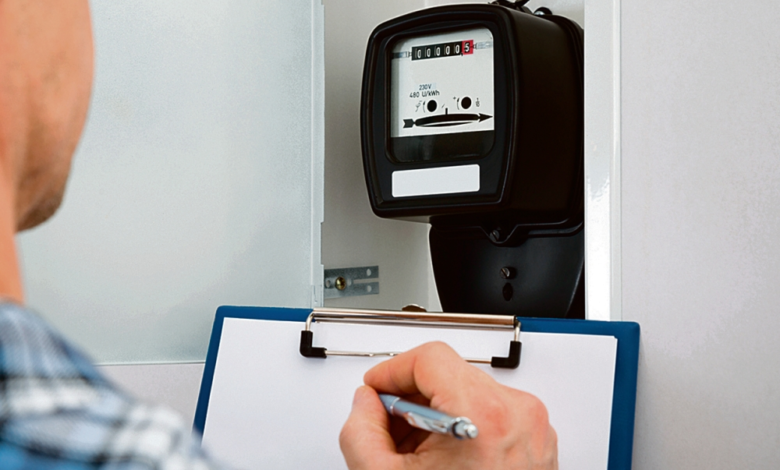
- Establishments are required to install separate meters for eligible activities to ensure accurate consumption measurement and to keep it separate from other activities.
- Providing audited financial data showing the ratio of electricity costs to total operating costs through a dedicated portal, to ensure transparency and fair allocation of support.
- A strict eligibility timeframe will be applied, with the eligibility of new facilities that have been connected to the service before the end of 2023 ending seven years after the date of the power launch.
The authority warned against providing any misleading data, stressing that penalties will include retroactive recalculation of invoices and referring violators to the competent authorities to take regulatory measures.
Application and annual review mechanism
Applications for the reduced tariff will be accepted in three phases, starting in April and ending in October each year. This provides flexibility for businesses and ensures a smooth review and audit process. The project also links continued access to the reduced tariff to an annual verification in January, during which the service provider reviews the business's compliance with the approved technical requirements and energy efficiency standards. This ensures the long-term sustainability of the initiative's positive impact.