Saudi Arabia's nature reserves: Riyadh leads the way, and "Uruq Bani Ma'aridh" is the largest
A strategic step towards a green future
In a move reflecting the Kingdom of Saudi Arabia’s unwavering commitment to protecting its natural treasures and achieving the goals of Vision 2030, the National Center for Wildlife Development has unveiled an updated list of 11 nature reserves spanning a total area exceeding 35,000 square kilometers. These efforts are part of a comprehensive national strategy aimed at conserving unique ecosystems, protecting biodiversity, and reintroducing endangered species, thus solidifying the Kingdom’s position as a leading force in environmental conservation at both the regional and international levels.
Historical context and national orientation
Saudi Arabia’s efforts to protect the environment are not a recent development, but rather the culmination of a long-standing journey that began decades ago. Since the establishment of the National Commission for Wildlife Conservation and Development in the 1980s, the Kingdom has been increasingly focused on its protected areas. Today, these efforts are accelerating at an unprecedented pace under ambitious initiatives such as “Green Saudi Arabia” and “Green Middle East,” which aim to increase the percentage of protected areas to 30% of the Kingdom’s total land and marine area by 2030. The recent announcement of these reserves represents a practical application of this vision and reflects a national shift towards sustainable development that balances economic growth with the preservation of the natural heritage for future generations.
Nature Reserves Map: Riyadh in the Lead
These vast reserves are spread throughout the Kingdom, with the Riyadh region leading the way with five major reserves, followed by the Makkah region with four. The remaining reserves are distributed across the Qassim, Asir, Najran, Al-Baha, Jazan, and Eastern regions. This carefully planned geographical distribution ensures the protection of a diverse range of natural habitats, from expansive sandy deserts to towering mountains and pristine coastlines.
Uruq Bani Ma'arid Reserve: A Jewel of World Heritage
The Uruq Bani Ma'arid Reserve tops the list as the largest reserve, covering an area of 13,485 square kilometers. Its significance lies not only in its size but also in its global environmental value, having recently been inscribed on the UNESCO World Heritage List as the first natural heritage site in Saudi Arabia. The reserve is home to the world's largest continuous sand sea (the Empty Quarter) and boasts a unique and diverse topography. It also represents a global success story in reintroduction programs, having successfully brought back Arabian oryx, sand gazelle, and red-necked ostrich to their original habitats after nearly becoming extinct.
Unique biodiversity and sustainable impact
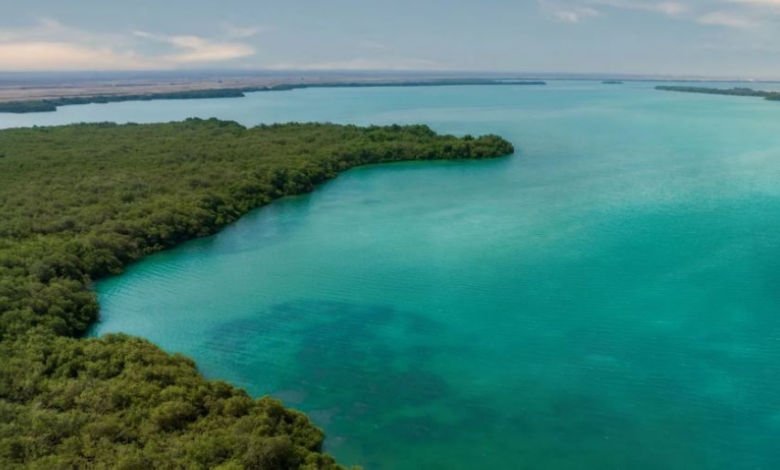
At the other end of the spectrum in terms of area, the Umm al-Qamari Islands Reserve stands out as the smallest (4 square kilometers), yet it is of paramount importance as a safe haven for migratory seabirds and turtles. The Kingdom also boasts reserves of exceptional natural beauty, such as the Rida Reserve in the Asir highlands, renowned for its dense juniper forests and rare plant diversity. This diversity enhances the Kingdom's position as a promising destination for ecotourism and opens new horizons for awareness and scientific research. Regionally and internationally, these efforts contribute to combating desertification, mitigating the effects of climate change, and achieving the United Nations Sustainable Development Goals, thus reinforcing the Kingdom's positive image as an active partner in protecting the planet.