Procedures begin for a royal pardon for prisoners of public rights in Saudi Arabia
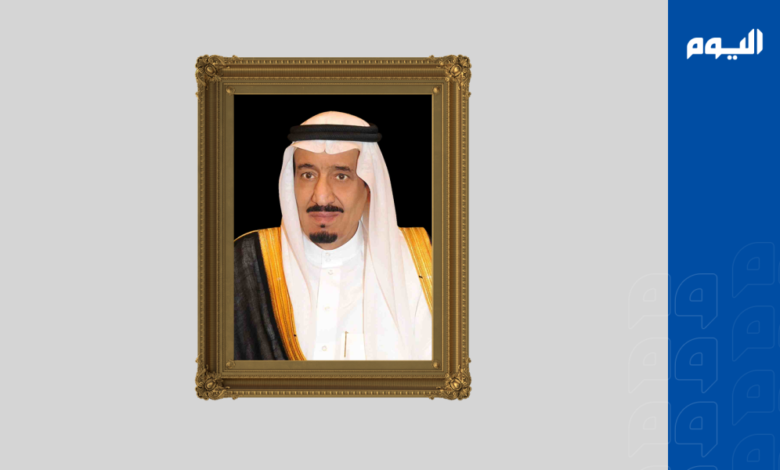
In accordance with the directives of the Custodian of the Two Holy Mosques, King Salman bin Abdulaziz Al Saud, may God protect him, the Saudi Ministry of Interior announced the commencement of procedures for granting amnesty to male and female inmates convicted in public rights cases. This generous royal gesture offers those included in the amnesty a new opportunity to return to their normal lives and families, and to contribute to building their society as productive members.
On this occasion, His Royal Highness Prince Abdulaziz bin Saud bin Nayef bin Abdulaziz, Minister of Interior, expressed his deepest gratitude and appreciation to the Custodian of the Two Holy Mosques and to His Royal Highness Prince Mohammed bin Salman bin Abdulaziz Al Saud, Crown Prince and Prime Minister - may God protect them - for their constant care and attention to the sons and daughters of the nation, including prison inmates, and their efforts to reintegrate them into society.
Historical background of royal pardon decisions
Royal pardons are a long-standing tradition in Saudi Arabia, issued periodically and often coinciding with important religious and national occasions such as the holy month of Ramadan or Eid al-Fitr. These initiatives reflect the humanitarian and Islamic values upon which the Kingdom is founded, values that promote tolerance, compassion, and granting a second chance to those who have erred. The pardon aims to alleviate the burdens on families, strengthen social cohesion, and reaffirm the leadership's commitment to the well-being of all its citizens.
The importance of forgiveness and its societal impact
The royal pardon carries profound humanitarian and social dimensions. Locally, it contributes to family reunification and alleviates the suffering of prisoners' families, while also giving those released renewed hope for a fresh start. Socially, the pardon helps reduce overcrowding in correctional facilities and allows those released an opportunity to prove their good behavior and reintegrate as productive members of society, thus supporting social stability. The pardon is typically limited to "public rights," which are the rights of the state and society, without prejudice to "private rights," which belong to individuals harmed by the crime, thereby ensuring the preservation of victims' rights.
Positive repercussions at the regional and international levels
At both the regional and international levels, such initiatives enhance the Kingdom's positive image as a country that places great importance on human rights and humanitarian principles. They also highlight the Saudi judicial system's commitment to striking a balance between the application of punishment and the provision of rehabilitation and reform opportunities. These steps align with the goals of Saudi Vision 2030, which seeks to develop all sectors of the state, including the judicial and social systems.
His Highness the Minister of Interior directed all concerned authorities to quickly implement the generous royal order and take the necessary measures to ensure the release of those covered by the pardon criteria as soon as possible, stressing that this compassionate humanitarian gesture will have a profound impact on the beneficiaries and their families after their release and reunion.