Russian Interior Minister in Cuba: Security talks amid tensions with the US
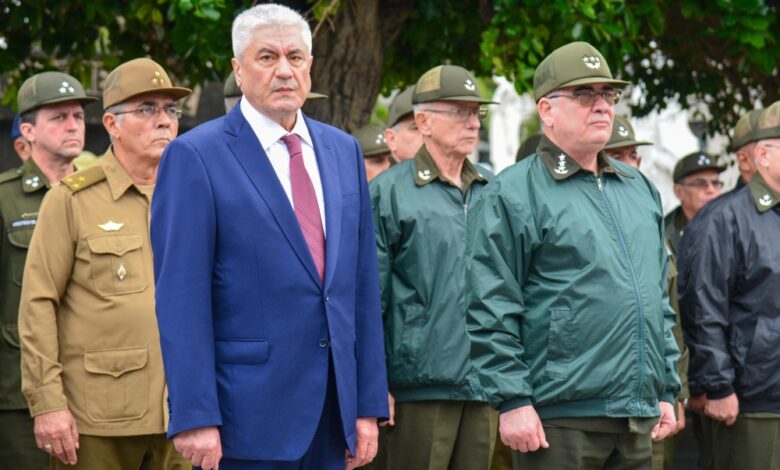
Russian Interior Minister Vladimir Kolokoltsev began an important official visit to the Cuban capital, Havana, where he was received by his Cuban counterpart, Alberto Álvarez, at José Martí International Airport. The visit, described by the Russian Embassy as aiming to hold "a series of bilateral meetings," comes at a highly sensitive time marked by escalating geopolitical tensions in the Caribbean and Latin America.
Security talks in light of the threats
Diplomatic sources indicated that the visit's agenda focuses on strengthening security cooperation between Moscow and Havana. This Russian move coincides with Cuba's National Defense Council announcing emergency meetings to assess the country's "readiness for war," a step reflecting the Cuban leadership's deep concern over recent US actions in the region, particularly following the dramatic events in neighboring Venezuela.
Regional context: Increasing US pressure
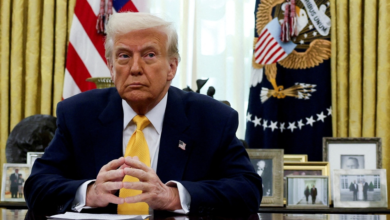
These talks are taking place against the backdrop of a significant escalation by the administration of US President Donald Trump against leftist regimes in Latin America. Tensions reached a peak following reports that US special forces conducted a targeted operation that resulted in the arrest of Venezuelan President Nicolás Maduro, a strategic ally of Cuba, and his wife, Cilia Flores. This development has led Havana to perceive a direct threat, believing that it could be next in line with Washington's strategy to reshape the political landscape in the region.
Historical background: A deeply rooted alliance
This visit cannot be viewed in isolation from the long history of Russian-Cuban relations. Since the Cold War era, Cuba has been the Soviet Union's closest ally in the Western Hemisphere, just a few miles from the American coast. Although relations cooled somewhat in the 1990s, the Russian Federation has made a strong comeback in the last decade to revive this strategic partnership by writing off substantial debts owed by Cuba and boosting trade and military cooperation—a clear message to Washington that Moscow has not abandoned its traditional allies.
The strategic dimensions of the visit
Observers believe that the Russian Interior Minister's visit at this time carries political messages that transcend the usual security protocols. It underscores Russia's continued support for the communist island in the face of what Havana calls "American imperialism." It also indicates Moscow's desire to maintain a strategic foothold in the United States' backyard, especially given the open global confrontation between the superpowers. Cuba views these visits as a political and security lifeline, breaking the isolation that Washington is attempting to impose through economic sanctions and military threats.
In conclusion, attention remains focused on the results of these bilateral talks, and how they will affect the security landscape in the Caribbean region, and whether they will lead to new escalatory steps from the American side, which is closely monitoring any expansion of Russian influence near its borders.