Russia warns of a "domino effect" if the US resumes nuclear testing
Russia warns of a catastrophic "domino effect"
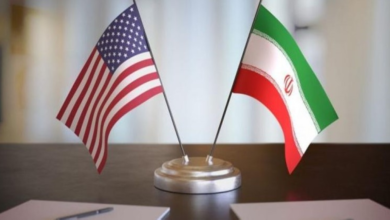
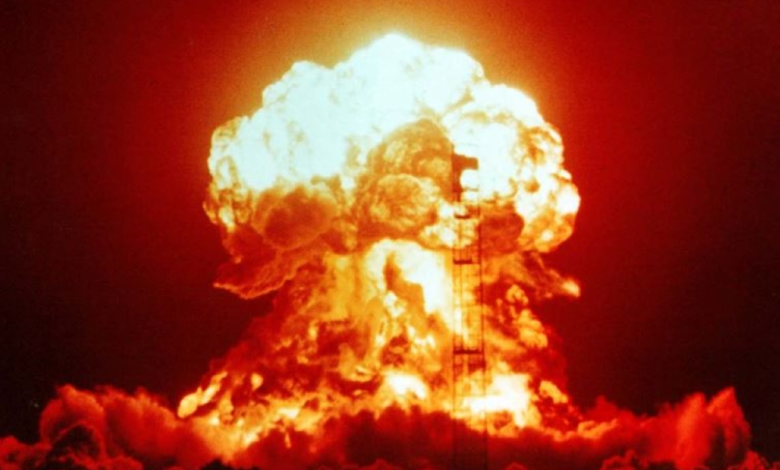
Russia strongly warned of the serious consequences that could result from the United States resuming nuclear testing, arguing that such a move could trigger a domino effect that would undermine global stability. This warning came from Russian Ambassador Gennady Gatilov at the Conference on Disarmament in Geneva, in response to hints from US officials about the possibility of conducting the first US nuclear test since 1992. He emphasized that Washington would bear full responsibility for the consequences.
Historical background: From the Cold War to global sanctions
The global moratorium on nuclear testing dates back to the end of the Cold War, when major powers sought to curb the destructive arms race. The United States conducted its last nuclear test in 1992 and has since adhered to a voluntary moratorium. The Comprehensive Nuclear-Test-Ban Treaty (CTBT), adopted in 1996, has been the cornerstone of international efforts to prevent nuclear explosions in all environments. Although the treaty has not formally entered into force due to the lack of ratification by key states, including the United States and China, the commitment to a moratorium on testing has become a firmly established international norm that has helped prevent the proliferation of nuclear weapons for decades.
Mutual accusations increase tension
The Russian stance comes after statements by US administration officials indicating that Washington is prepared to conduct nuclear tests “if necessary.” The United States justified this position by accusing both Russia and China of conducting secret, low-yield nuclear tests, allegations that Moscow and Beijing vehemently deny. Christopher Ford, then US Assistant Secretary of State for Arms Control, cited data that allegedly revealed a low-yield explosion at a Chinese test site, further complicating the situation and fueling mutual distrust among the major nuclear powers.
What is the “domino effect” and what are its implications?
The greatest danger, which Russia has termed a “domino effect,” is that a US breach of this international norm would open the door for other nuclear powers to do the same. If Washington resumes its tests, Russia and China are likely to respond by conducting similar tests to modernize their nuclear arsenals and test new designs. This would not only lead to the collapse of the Comprehensive Nuclear-Test-Ban Treaty but would also ignite a new global arms race, even more dangerous than those of the Cold War, threatening to undo decades of progress in arms control.
Potential regional and international impacts
At both the regional and international levels, the consequences would be dire. A resumption of testing by major powers could encourage other states seeking nuclear weapons, such as North Korea, to accelerate their programs without fear of international repercussions. It would also weaken the entire nuclear non-proliferation regime, based on the Treaty on the Non-Proliferation of Nuclear Weapons (NPT). A return to the era of nuclear testing would increase uncertainty and tension in international relations, making the world a less safe and stable place for everyone.