Russia expels German diplomat: Tensions with Berlin escalate
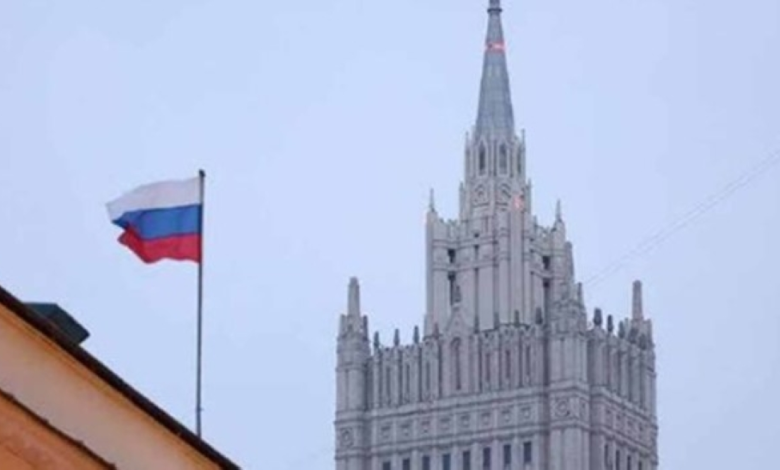
In a move reflecting escalating diplomatic tensions between Moscow and Berlin, the Russian Foreign Ministry announced on Thursday the expulsion of a German diplomat, declaring him persona non grata. This decision comes as a direct retaliatory measure in response to a similar action taken earlier by the German government, signaling a further deterioration in bilateral relations between the two countries.
Details of the Russian decision and the reciprocal response
The Russian Foreign Ministry stated in an official statement that it summoned the head of the German diplomatic mission in Moscow and handed her a formal note of protest. The note declared a member of the German embassy staff persona non grata, in accordance with the principle of reciprocity governing diplomatic norms. Moscow confirmed that this measure was a direct response to Berlin's decision of January 22 to expel a Russian diplomat.
Background to the crisis: Espionage charges
The roots of this latest escalation lie in accusations leveled by German authorities against the expelled Russian diplomat, with Berlin alleging his involvement in espionage activities. According to the German account, the Russian diplomat was working as an operative for a woman arrested on suspicion of spying for Moscow. Russia categorically rejected these accusations, calling them "baseless," and placed full responsibility for the deterioration in relations on the German side.
General context and history of diplomatic tensions
This incident is not an isolated event in the course of Russian-German relations, but rather represents a new chapter in a series of tensions that have plagued relations between the two countries over the past decade. Recent years have witnessed a series of diplomatic expulsions between Russia and Western countries, often over issues related to cybersecurity, geopolitical crises in Eastern Europe, or espionage. Germany, historically a key economic partner of Russia in Europe, finds itself in a delicate position, attempting to balance its economic interests with its security and political commitments within the European Union and NATO.
Expected impacts locally and internationally
International observers believe that reducing diplomatic missions by expelling staff inevitably weakens direct communication channels between the two countries, complicating opportunities for dialogue to resolve outstanding crises. Regionally, this escalation sends a negative signal about the future of relations between Russia and the European Union, as European countries often stand in solidarity with Berlin in such situations. German officials, for their part, described the Russian response as "lacking any objective basis," emphasizing that Berlin reserves the right to take further measures, thus opening the door to the possibility of continued diplomatic escalation in the near future.