Russia bans Human Rights Watch and designates it an undesirable organization
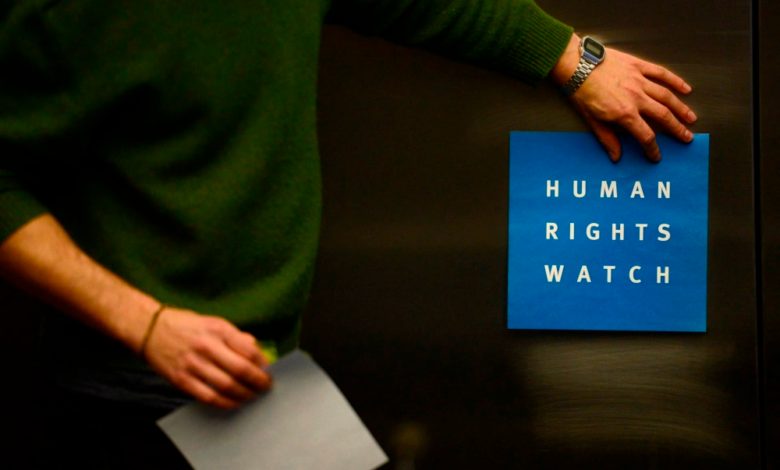
In a move that represents a dangerous escalation in the confrontation between the Kremlin and international human rights organizations, the Russian Ministry of Justice officially added Human Rights Watch to its list of "undesirable" organizations. This decision, announced on Friday, imposes a complete and total legal ban on any activity by the organization within Russian territory, effectively ending decades of its human rights work in the country.
Legal consequences and severe criminal penalties
This new designation goes beyond mere administrative measures or office closures; it is based on a controversial law passed by Russia in 2015. Under this law, any dealings with the "undesirable" organization become a punishable offense. This means that Russian citizens and local institutions are strictly prohibited from cooperating with the organization, participating in its events, or even republishing its reports and media materials online.
Legal texts indicate that violators may face penalties ranging from hefty fines to several years in prison, particularly in cases of financial donations or ongoing coordination. Legal experts believe the aim of this strictness is to create a "buffer zone" between Russian activists inside the country and global human rights networks.
The context of the war in Ukraine and its impact
This decision cannot be separated from the tense geopolitical context and the ongoing war in Ukraine. Since the start of Russian military operations in February 2022, Human Rights Watch has intensified its reporting documenting what it describes as violations of international humanitarian law. The organization has published extensive investigations into the targeting of civilian infrastructure and the conduct of Russian forces in conflict zones, reports which Moscow has dismissed as part of a Western “information war” aimed at destabilizing it.
Russian authorities had taken a preliminary step in April 2022 by canceling the organization’s registration and closing its physical offices in Moscow, along with Amnesty International, but the current decision moves the confrontation from administrative harassment to full criminalization.
A history of systematic restrictions on civil society
The ban on Human Rights Watch is the latest in a long series of measures that have been escalating since 2012 with the passage of the "foreign agents" law. Russia's list of banned organizations has expanded to include a wide range of long-established international institutions, including the World Wildlife Fund (WWF), Greenpeace, and Transparency International.
This trend reflects the Russian authorities' desire to fortify the domestic front and prevent any potential Western influence, especially in light of the economic sanctions and political isolation Moscow faces. Observers warn that these policies are drying up sources of support for independent Russian civil society and making it extremely difficult to document any human rights violations within the country in the future.