Rumors of Khamenei's death: The truth and its impact on Iran's future
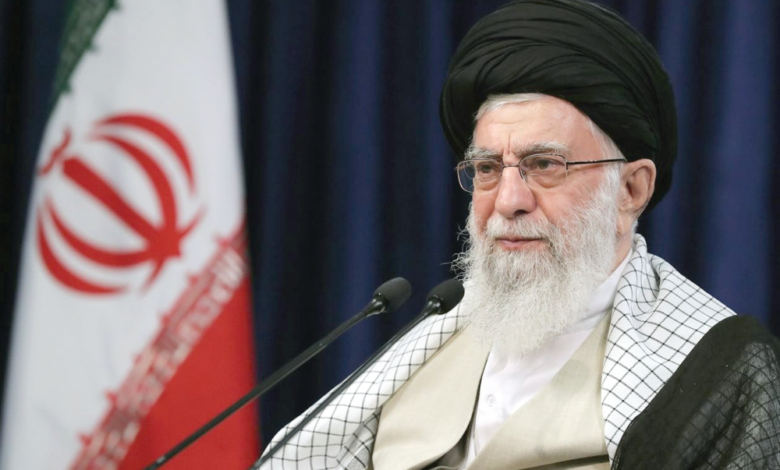
Unconfirmed reports circulate about the death of the Iranian Supreme Leader
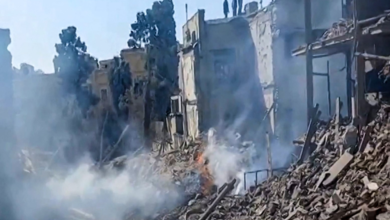
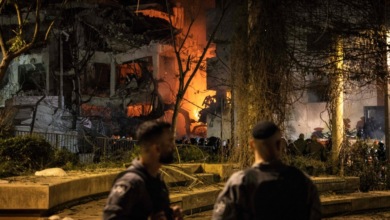
News outlets and social media platforms were abuzz with reports claiming the death of Iran's Supreme Leader, Ali Khamenei, following an alleged attack. Despite the rapid spread of these reports, no official confirmation has been issued by Tehran or any other credible source, placing these claims in the realm of rumors that often surface during times of heightened political tension in the Middle East.
General context: Who is Ali Khamenei and what is the importance of his position?
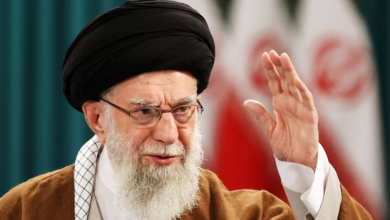
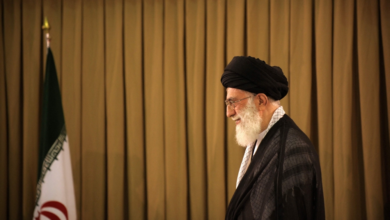
Ali Khamenei, who has served as Supreme Leader since 1989, succeeding the founder of the Islamic Republic, Ruhollah Khomeini, represents the highest religious, political, and military authority in Iran. His decisions are final in all major state affairs, including foreign policy, the nuclear program, economic policies, and the armed forces. Given this absolute power, his health and fate are among the most closely guarded secrets in the country, and any news concerning him sparks a wave of speculation both domestically and internationally.
Historically, Iran has experienced periods of uncertainty surrounding the Supreme Leader's health, leading to frequent rumors. These rumors gain particular traction in the current tense regional climate, with escalating tensions between Iran and both Israel and the United States, making any major event in Tehran fertile ground for analysis and speculation about its repercussions.
The expected impact of the Supreme Leader's absence on the Iranian and international scene
An event as significant as the death of the Supreme Leader would have seismic repercussions far beyond Iran's borders. Domestically, it would open the door to a complex and delicate succession process. The Assembly of Experts, an elected body of clerics, is responsible for selecting the new leader. This process is likely to witness a power struggle between different factions within the regime, particularly between the Islamic Revolutionary Guard Corps (IRGC) and the traditional religious establishment. Several names have been floated as potential successors, including the Supreme Leader's son, Mojtaba Khamenei, and other prominent figures within the regime, which could lead to a period of internal instability.
Regionally and internationally, the world will be closely watching the transfer of power. Some countries may see this shift as an opportunity to alter the course of Iranian foreign policy, while others may fear a power vacuum that could further destabilize the region. The new Supreme Leader's stance on the nuclear issue and Tehran's support for its regional allies, such as Hezbollah in Lebanon and the Houthis in Yemen, will have a direct impact on the future of conflicts in the Middle East. Furthermore, any instability in Iran, a major oil producer, could directly affect global energy markets.
In conclusion, although the news circulating lacks credibility so far, it highlights the pivotal importance of the position of Supreme Leader in Iran, and reveals how much the world is anticipating the moment when the country will witness a change at the top of the power pyramid.