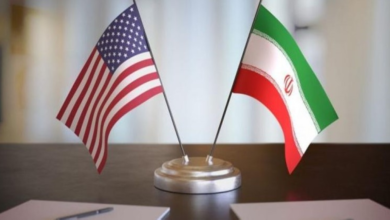
Iran-US negotiations: Rubio hints at a conditional diplomatic solution
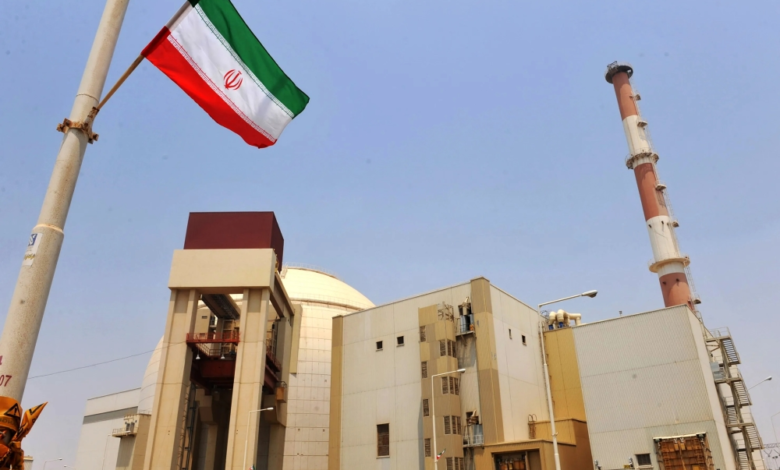
Prominent US Senator Marco Rubio expressed cautious optimism about the possibility of reaching a diplomatic solution with Iran, stressing that this option is not out of the question, ahead of a new round of talks that the world is eagerly awaiting. In remarks carried by Al Arabiya, Rubio explained that these negotiations represent a new opportunity for dialogue, expressing his hope that they will be fruitful, but linking their success to substantial concessions from the Iranian side.
Rubio stressed that Tehran's insistence on maintaining its ballistic missile program is "a very big problem." He added categorically, "If Iran wants to reach an agreement, it has to get rid of its ballistic missiles." He also noted that Iran, although not currently enriching uranium (at that time), is seeking to resume it and will do so if given the opportunity, reflecting deep American concern about Tehran's nuclear ambitions.
Historical background of tension and negotiations
These statements come in the context of escalating tensions between Washington and Tehran, which reached their peak after the United States withdrew in 2018 from the landmark nuclear agreement known as the Joint Comprehensive Plan of Action (JCPOA), signed in 2015. Following the withdrawal, President Donald Trump's administration reimposed harsh economic sanctions on Iran as part of a "maximum pressure" campaign, aimed at forcing it back to the negotiating table to reach a new, more comprehensive agreement that addresses not only its nuclear program, but also its missile program and regional policies.
The importance of the event and its potential impact
These negotiations are of paramount importance both regionally and internationally. Regionally, reaching an agreement could ease tensions in the Middle East, a region plagued by proxy conflicts. Failure, however, could increase the risk of direct or indirect military confrontation. Internationally, America's European allies, along with China and Russia—parties to the 2015 agreement—are closely monitoring the talks, hoping to preserve the diplomatic track and prevent a nuclear arms race in the region. The stability of global oil markets is also inextricably linked to the outcome of this complex issue.
Conventional weapons and a transcontinental threat
Rubio's remarks were not limited to the nuclear issue; he also warned that Iran possesses a conventional arsenal designed to attack the United States and its allies, and that it is actively pursuing intercontinental ballistic missiles capable of reaching American soil. He emphasized that the threat posed by Iran to the United States is not new, but rather longstanding, noting that the talks would focus primarily on curbing its nuclear program and preventing it from acquiring nuclear weapons.