Dangers of excessive Omega-3 intake: Warning of immune system dysfunction and bleeding
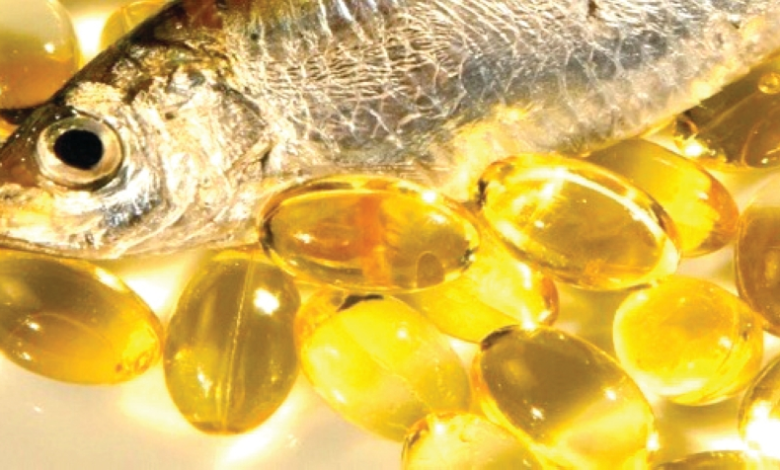
Omega-3 fatty acids are a cornerstone of modern healthy diets, with millions worldwide consuming them through natural sources or supplements due to their numerous benefits for heart and brain health. However, experts and the Gulf Health Council warn that the golden rule of "moderation is key" applies here, as excessive consumption can lead to serious adverse effects.
What is Omega 3 and why do we need it?
Omega-3 is a type of polyunsaturated fatty acid that the body cannot produce on its own and must therefore be obtained from food. These acids play a vital role in building the building blocks of fats in the human body, are involved in the formation of cell membranes, support brain function and memory, and effectively contribute to reducing inflammation levels in the body, making them a protective shield against many chronic diseases.
Natural sources rich in Omega 3
Before resorting to supplements, nutrition experts recommend focusing on natural sources that provide balanced proportions of these fats, including:
- Fatty fish: These are considered the best source (EPA and DHA), such as salmon, sardines, and tuna.
- Vegetable oils: such as flaxseed oil, canola oil, and soybean oil.
- Seeds and nuts: These are a good source for vegetarians (ALA), the most important of which are chia seeds, flax seeds, and walnuts.
The other side of the coin: the dangers of overconsumption
Despite the enormous benefits, recent studies and warnings from the Gulf Health Council indicate that exceeding the recommended doses may lead to serious health problems, most notably:
1. Immune system dysfunction
While omega-3 is known for its anti-inflammatory properties, very high doses can lead to excessive suppression of the immune response. The body needs a certain level of inflammatory response to fight infections and germs, so excess may weaken the immune system's ability to combat bacterial and viral diseases.
2. Problems with blood clotting and bleeding
Omega-3 fatty acids act as a natural blood thinner, reducing platelet stickiness. Excessive intake may cause:
- Increased bleeding time after injury, which slows down healing.
- Risk of nosebleeds or bleeding gums.
- There is a double risk for people taking blood-thinning medications (such as warfarin), which necessitates consulting a doctor to adjust the doses.
3. Digestive disorders
In some cases, overdoses may cause unpleasant digestive symptoms such as nausea, heartburn, or diarrhea, which are signals the body sends to alert it to the need to reduce the amount consumed.
In conclusion, balance remains the optimal health standard. It is always advisable to obtain omega-3 from natural sources as a first choice, and to avoid high-dose supplements except under close medical supervision to ensure maximum benefit and prevent complications.