Bolivia floods: 20 dead and 2,000 families displaced
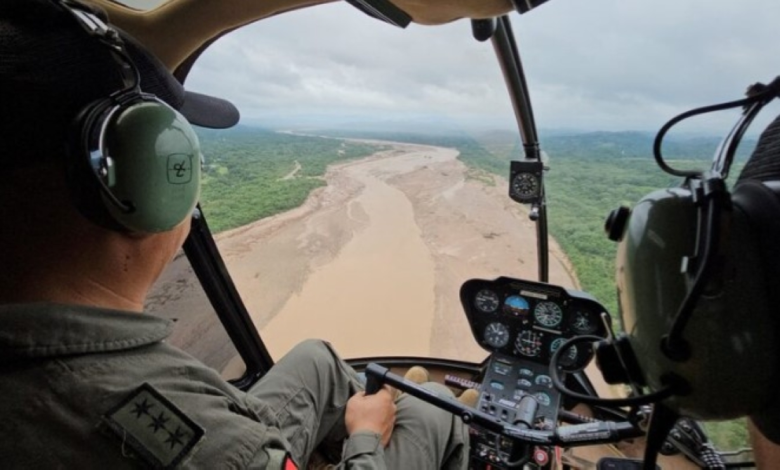
Eastern Bolivia was struck by a tragic natural disaster earlier this week, with authorities reporting a rising death toll from devastating floods. The Bolivian Deputy Minister of Civil Defense confirmed on Monday that the Peray River had overflowed its banks, killing at least 20 people and displacing more than 2,000 families, a number expected to rise as search and rescue operations continue.
Details of the disaster and the rising number of victims
The tragedy began with unprecedented torrential rains last weekend, which caused the Piray River to overflow its banks. "Unfortunately, the official figures now stand at 20 dead and dozens missing," Alfredo Truhe told Pan Americana radio. This revised the initial reports from Saturday, which indicated only three deaths and eight missing persons, reflecting the scale of the devastation later revealed to rescue teams.
Affected areas and rescue efforts
The damage was concentrated mainly in the towns of El Torno and La Guardia, where flash floods swept away homes and infrastructure. Civil defense teams, supported by army units and emergency services, are continuing large-scale search operations for the missing amidst challenging weather conditions and rugged, muddy terrain. Relief teams are facing significant logistical challenges in reaching isolated areas to provide urgent assistance to those affected.
Geographical and climatic context of the disaster
Bolivia, particularly its low-lying eastern regions (such as Santa Cruz province), is prone to seasonal flooding. However, meteorologists suggest that the intensity of this year's rainfall may be linked to global climate change, which has led to more extreme weather events. These floods in the Amazon basin and surrounding areas often result in significant human and material losses due to the soil composition and the density of waterways in that region.
Humanitarian and economic repercussions
The impact of this disaster extends far beyond the immediate human toll; more than 2,000 families face an uncertain future after losing their homes and belongings. Local and international humanitarian organizations are preparing to launch relief campaigns to provide food, clean water, and medicine to prevent outbreaks of diseases that typically follow floods. The agricultural sector in the region is also expected to suffer significant losses, as the lands surrounding the Beray River are vital agricultural areas, which could affect local food security and the regional economy in the coming months.