Saudi Arabia rejects the occupation's recognition of Somali territory and supports Somalia's sovereignty
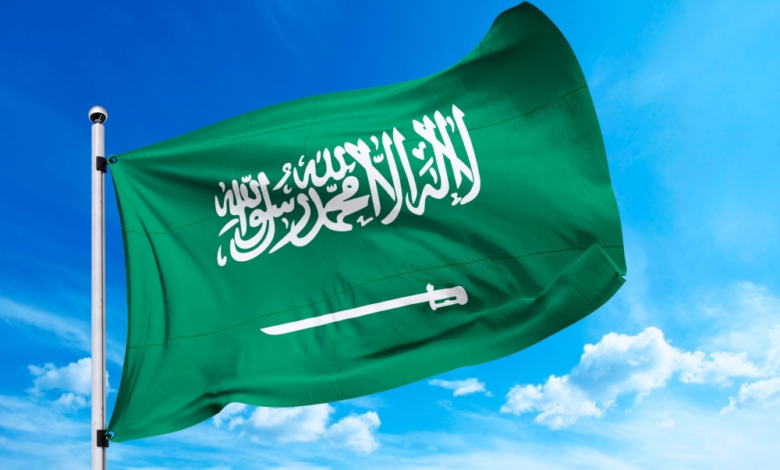
The Kingdom of Saudi Arabia, represented by its Ministry of Foreign Affairs, expressed its firm and unwavering support for the sovereignty of the sisterly Federal Republic of Somalia, affirming its categorical rejection of the declaration of mutual recognition between the Israeli occupation authorities and the region of Somaliland. This position is consistent with the Kingdom's foreign policy, which consistently emphasizes respect for the sovereignty and territorial integrity of states and opposes any unilateral actions that could destabilize the region.
The ministry explained in its statement that this move constitutes a consolidation of separatist measures that violate the principles of international law and the UN Charter, which stipulates respect for the sovereignty of member states and non-interference in their internal affairs. The Kingdom stressed that any attempts to impose parallel entities or bypass the legitimate federal government in Mogadishu are unacceptable, given their negative repercussions on the unity of Somalia and the future of its people.
Saudi Arabia maintains a firm stance towards Somali unity
This stance is not new to Saudi diplomacy, as the Kingdom has been and remains among the first countries to support Somalia in various international and regional forums. Riyadh views the stability of Somalia as an integral part of Arab national security and the security of the Horn of Africa and the Red Sea region. Saudi Arabia has consistently called for the preservation of Somali national institutions and empowering them to extend their authority over the entire national territory in order to address security and development challenges.
Background of the conflict and the importance of timing
To understand the context of this rejection, one must consider the historical background of the region of Somaliland, which unilaterally declared its independence from the Republic of Somalia in 1991 following the collapse of the central government. Despite enjoying relative stability and autonomy, the region has not received formal international recognition as an independent state, as the international community, including the United Nations, the Arab League, and the African Union, considers it an integral part of Somalia.
The move towards “mutual recognition” with the occupying authorities raises widespread regional concerns, as it is seen as an attempt to exploit internal divisions to achieve external political gains, which the Kingdom has warned against, considering that such moves further complicate the political landscape in the Horn of Africa and hinder national reconciliation efforts.
Regional and international repercussions
This event has implications that extend beyond Somalia's borders, impacting the strategic security of the Arab and African regions. The recognition of separatist entities by external powers without consulting the central government opens the door to legal and political chaos, the effects of which could extend to other countries. Hence, Saudi Arabia's emphasis serves as a clear message to the international community regarding the necessity of adhering to international law and supporting the Somali Federal Government to ensure regional stability and protect vital waterways.
The Kingdom concluded its statement by reiterating its commitment to the security and stability of the brotherly Somali people, calling on all parties to prioritize dialogue and work under the umbrella of a unified national state to achieve development and prosperity.