Reports of Khamenei and his family's death: The truth behind the rumors and their impact
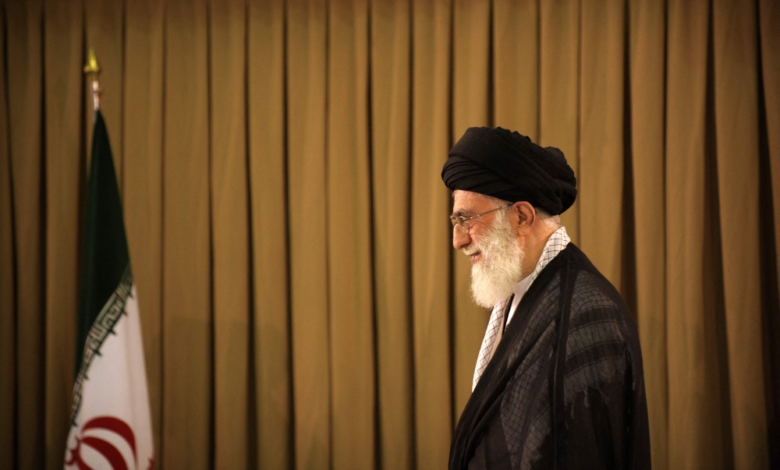
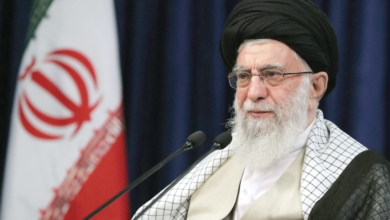
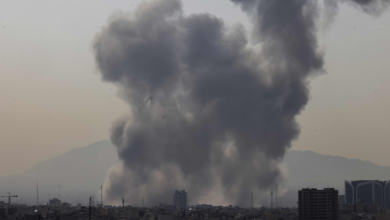
Amid escalating tensions in the Middle East, unconfirmed reports circulated on social media and news outlets regarding the death of Iranian Supreme Leader Ali Khamenei and several close family members. Initial reports, which emerged on Sunday, indicated that Khamenei's daughter, her husband, and his granddaughter were among those killed in airstrikes attributed to a joint Israeli-American attack on Iran.
These claims gained further traction after former US President Donald Trump posted on his Truth Social platform Saturday evening, announcing Khamenei's death. Trump wrote, "Khamenei is dead," adding that this represented justice for the Iranian people, the American people, and many others around the world who have suffered under the Iranian regime's policies. However, no official Iranian, American, or Israeli source has confirmed this news, placing it firmly in the realm of rumors and unreliable information that often circulate during times of crisis.
General context and historical background
These rumors come at a time of heightened tension in the region, fueled by decades of hostility between Iran on one side, and the United States and Israel on the other. This conflict, known as a “shadow war,” has included the assassinations of Iranian nuclear scientists, cyberattacks, and repeated Israeli airstrikes on Iranian targets in Syria. The “maximum pressure” policy imposed by the Trump administration after withdrawing from the nuclear agreement in 2018 further intensified the confrontation. This charged atmosphere creates fertile ground for the spread of disinformation aimed at sowing confusion and destabilizing the region.
The importance of the event and its expected impact
If the reports of the Supreme Leader's death are true, the repercussions will be enormous on the local, regional, and international levels. Domestically, Ali Khamenei has held the position of Supreme Leader since 1989 and has the final say in all state affairs, from foreign policy to the armed forces. His absence will open the door to a succession struggle within the regime, as the Assembly of Experts is tasked with selecting the new leader—a process that could be fraught with conflict between different political and military factions.
Regionally, Khamenei's absence could affect Iran's network of allies in the region, such as Hezbollah in Lebanon, the Houthis in Yemen, and armed factions in Iraq and Syria, potentially altering the balance of power in the Middle East. Internationally, any change at the top of the Iranian power structure will be closely watched by global powers, who will be monitoring whether the new leader adopts a more hardline or more conciliatory approach to contentious issues, most notably Iran's nuclear program.