Ramaphosa investigates Iran's participation in South African naval exercises
A presidential investigation reveals a political and diplomatic crisis
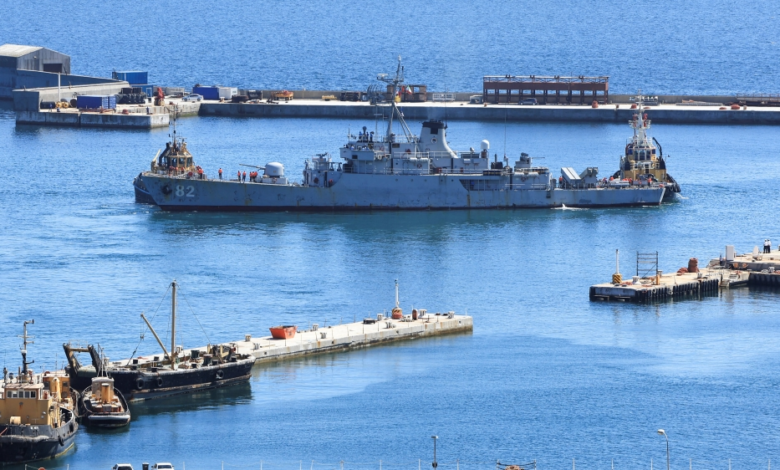
South African President Cyril Ramaphosa has ordered an urgent and independent judicial inquiry into the participation of Iranian warships in joint naval exercises off the country's coast, which also included Russia and China. This decision follows reports that Iran's participation occurred against the president's direct orders, raising serious questions about the chain of command within the military and the diplomatic implications for South Africa's international relations.
The presidency announced in an official statement the formation of a three-judge investigative committee tasked with uncovering the circumstances surrounding the “violation of the president’s instructions not to allow the Islamic Republic of Iran Navy” to participate in the exercises. The committee was given only one month to submit its report, reflecting the seriousness of the situation and President Ramaphosa’s determination to assert his authority as commander-in-chief of the armed forces and resolve the crisis swiftly.
General context and historical background of the event
These maneuvers come at a time of heightened global geopolitical tension, as the BRICS nations, of which South Africa is a member, seek to bolster their military and political cooperation as a counterweight to Western alliances. The joint naval exercises between South Africa, Russia, and China send a clear message about these countries' strategic intentions. However, the inclusion of Iran, which is subject to extensive international sanctions and faces significant tensions with Western powers, has added a layer of complexity and drawn sharp international criticism, particularly from the United States, which described its participation as "unacceptable.".
Since the end of apartheid, South Africa has adhered to a policy of non-alignment, but has maintained strong ties with its BRICS partners and other nations. However, the decision to include Iran, even without presidential approval, places Pretoria in a delicate diplomatic position as it attempts to balance its historical relationships and new alliances with its economic and political partnerships with the West.
The importance of the event and its expected impact
Domestically, the investigation highlights potential tensions between the civilian government, led by President Ramaphosa, and the military establishment. This incident is a true test of the president's authority and his ability to exert full control over defense and foreign policy decisions. The investigation's findings will be crucial in identifying those responsible for disregarding presidential orders and could lead to significant changes in the leadership of the Ministry of Defense.
Regionally and internationally, this crisis has significant repercussions. It could damage South Africa’s image as a leading regional power in Africa and as an international player seeking to mediate conflicts. Furthermore, the ongoing controversy could strain its relations with the United States and the European Union, two key trading and investment partners. Conversely, the incident may be seen in Moscow, Beijing, and Tehran as evidence of strong currents within South Africa that favor a deeper alliance with them, regardless of the president’s official stance.